Tenryo Shuzo
President Ryuhei Uenoda "We want people to visit this beautiful place"
Sake from Hida, that speaks of Hida.
A kuramoto (蔵元) that has continued for over three hundred and thirty years in the Hida region of Gifu Prefecture, a land of glorious mountains and clear waters.
More than preserving tradition, brewing a sake suited to its era is both the mission and the dream of Tenryo Shuzo. With its refined aroma and restrained acidity, its mellow flavor is a sake that harmonizes with a great many dishes.
Homepage: here
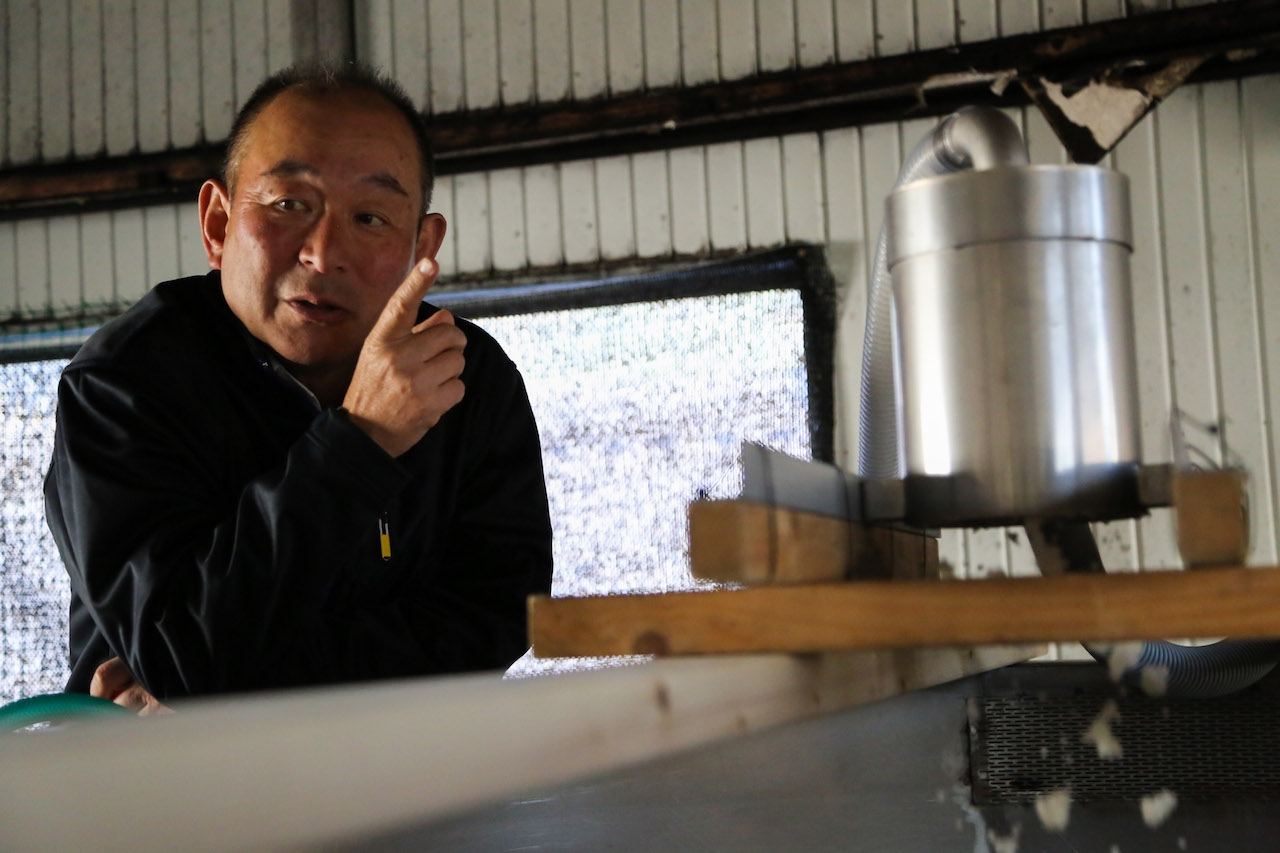
Interviewee: President Ryuhei Uenoda (hereafter "Uenoda")
Interviewer: bien (美宴) Ayako Yoshida (hereafter "bien")
Uenoda: The Uenoda family were originally Omi merchants.
Captivated by the beauty of this land, they put down roots here — around three hundred and thirty years ago.
bien: Three hundred and thirty years! There's real weight to that history.
As kuramoto (蔵元), what would you like to convey to consumers?
Uenoda: I'd like to convey the pleasure and the deliciousness of sake.
And to do that, the prerequisite is to brew sake of good quality that doesn't overwhelm the flavor of the food.
bien: That's very true.
If something of poor quality were served that interfered with the taste of the food,
the mood of the entire occasion would be spoiled, wouldn't it?
Where would Tenryo like to go from here?
Uenoda: We're looking ahead to competitions and the like, thinking about what kind of character we want to express.
Just as there's a word "terroir," I'd like to skillfully express the distinctive character unique to this region.
Lately this region's population has been declining too, so I hope that people — Japanese and foreign alike — will come here,
experience it, and come to understand it. And then, if they'd buy our sake, well, that would make me very happy.
bien: It's almost like the "experience-based tourism" along the Shoryudo route that the Chubu District Transport Bureau of the Ministry of Land, Infrastructure, Transport and Tourism is promoting.
What does Tenryo hold most dear?
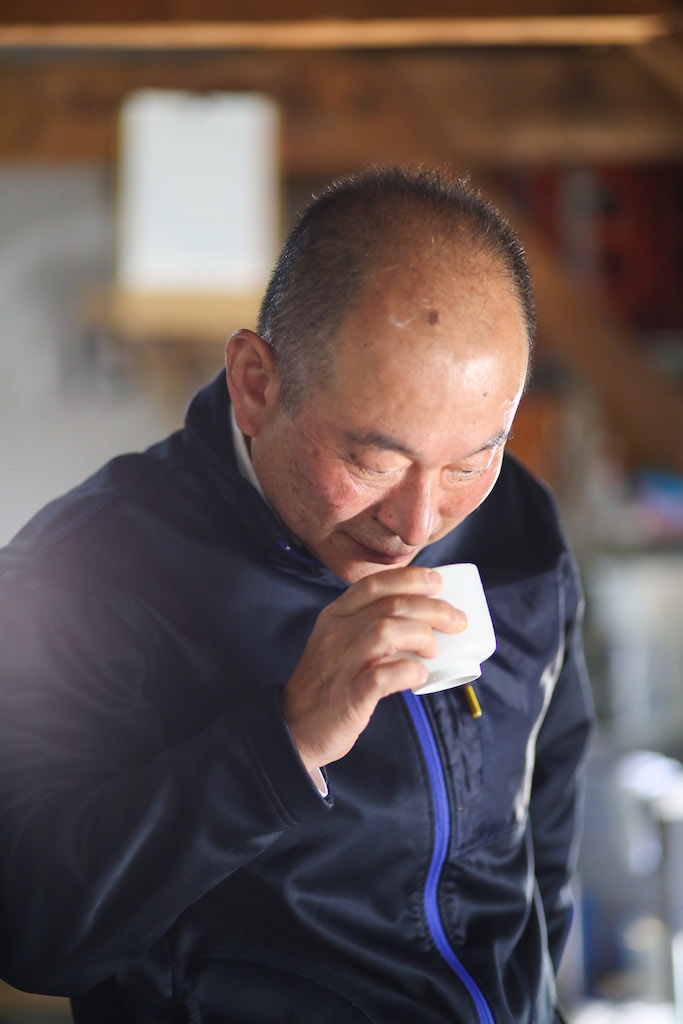
Uenoda: Doing our very best, I'd say.
I do place great importance on quality control.
It's a matter of course, but doing what is a matter of course as a matter of course (laughs).
bien: "Doing the obvious as the obvious." Simple to say, but keeping it up over time is no small feat!
Uenoda: Before, when we had a well-received product and were asked to increase production, I turned it down.
Because it would be a problem if ramping up production caused the quality to drop.
Recently there are producers approaching things with a Western sensibility, taking the negative qualities that sake was once associated with
and reframing them as positives. Sometimes I'm even surprised by these new approaches!
The world is changing, isn't it?
bien: How much of the past to preserve, and what new things to embrace.
Adapting to the changing times may be
something that will be asked of sake going forward.
Thank you very much.
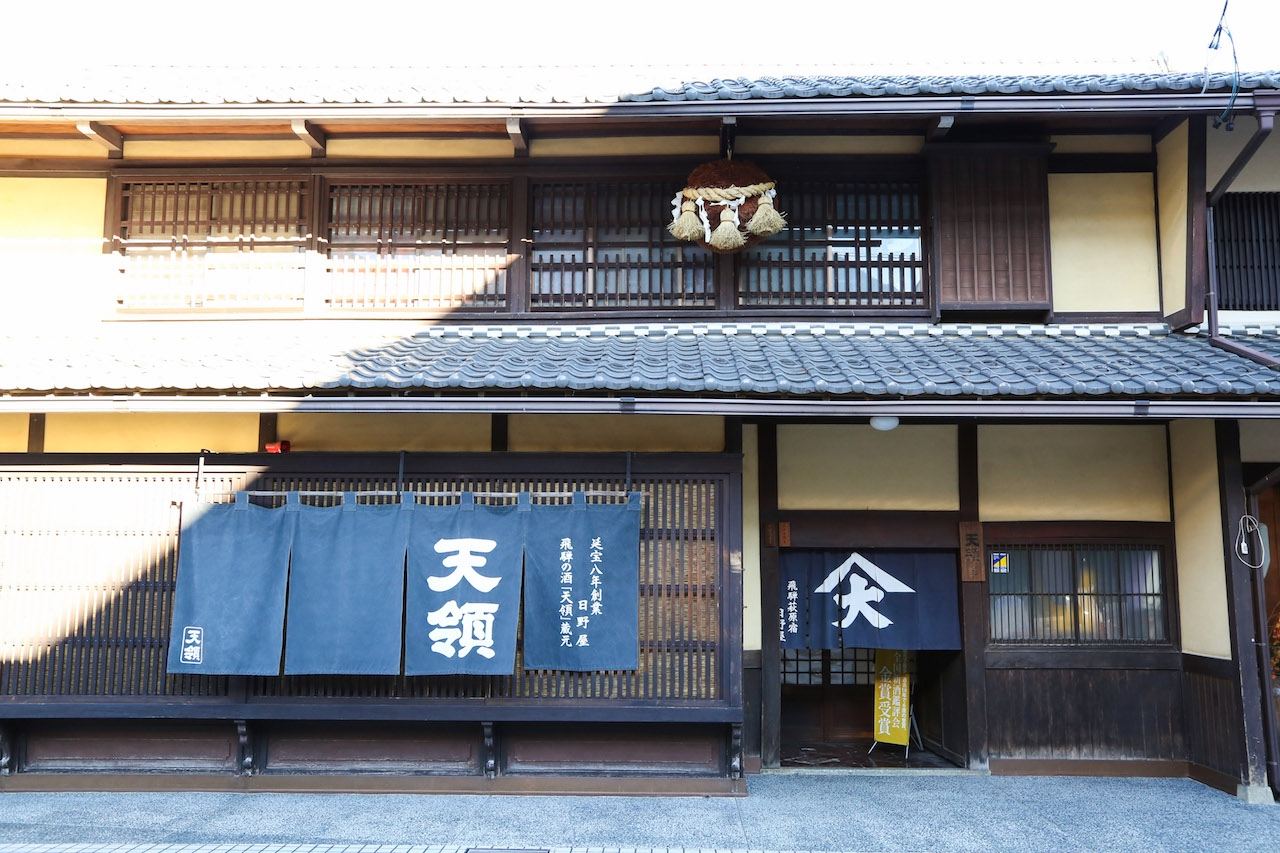
The interview with toji (杜氏) Kazunari Katagiri can be found here
Toji (杜氏), Kazunari Katagiri
Interviewee: Toji (杜氏) Kazunari Katagiri (hereafter "Katagiri")
Interviewer: bien — Ayako Yoshida (hereafter "bien")
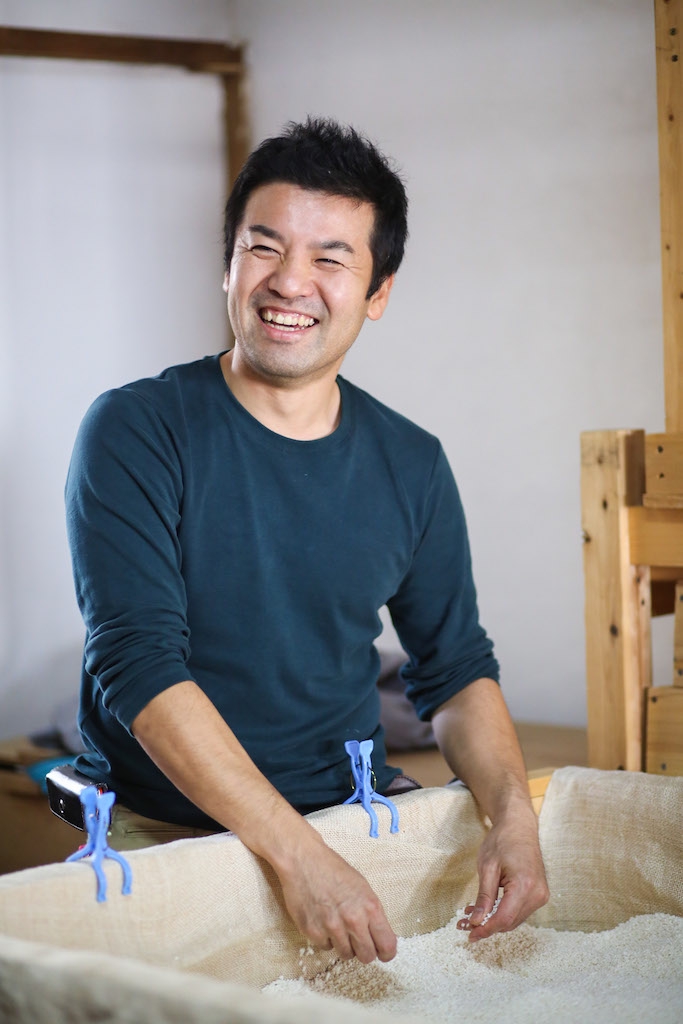
Katagiri: I'm originally from Ichinomiya City in Aichi Prefecture.
At 21, I was drawn to Gero with its beautiful nature,
and now 23 years have passed.
I learned from the previous toji, and nine years ago I took over the role myself.
bien: You made a bold decision at 21. What first drew you to sake making?
Katagiri: When I was a student, I studied biotechnology, so I was interested in living things.
The organisms in sake making are invisible, but it's the same — working with living things. Surrounded by water and abundant nature, I found it fascinating.
It's also a traditional industry, and I enjoy making things — things that take lasting form.
bien: Captivated by sake making for 23 years. Has there ever been a time you found it hard?
Katagiri: Hmm, not really,
but there is a flavor that defines the brand,
and the challenge is how to land in that flavor zone.
bien: What do you pay attention to daily for that?
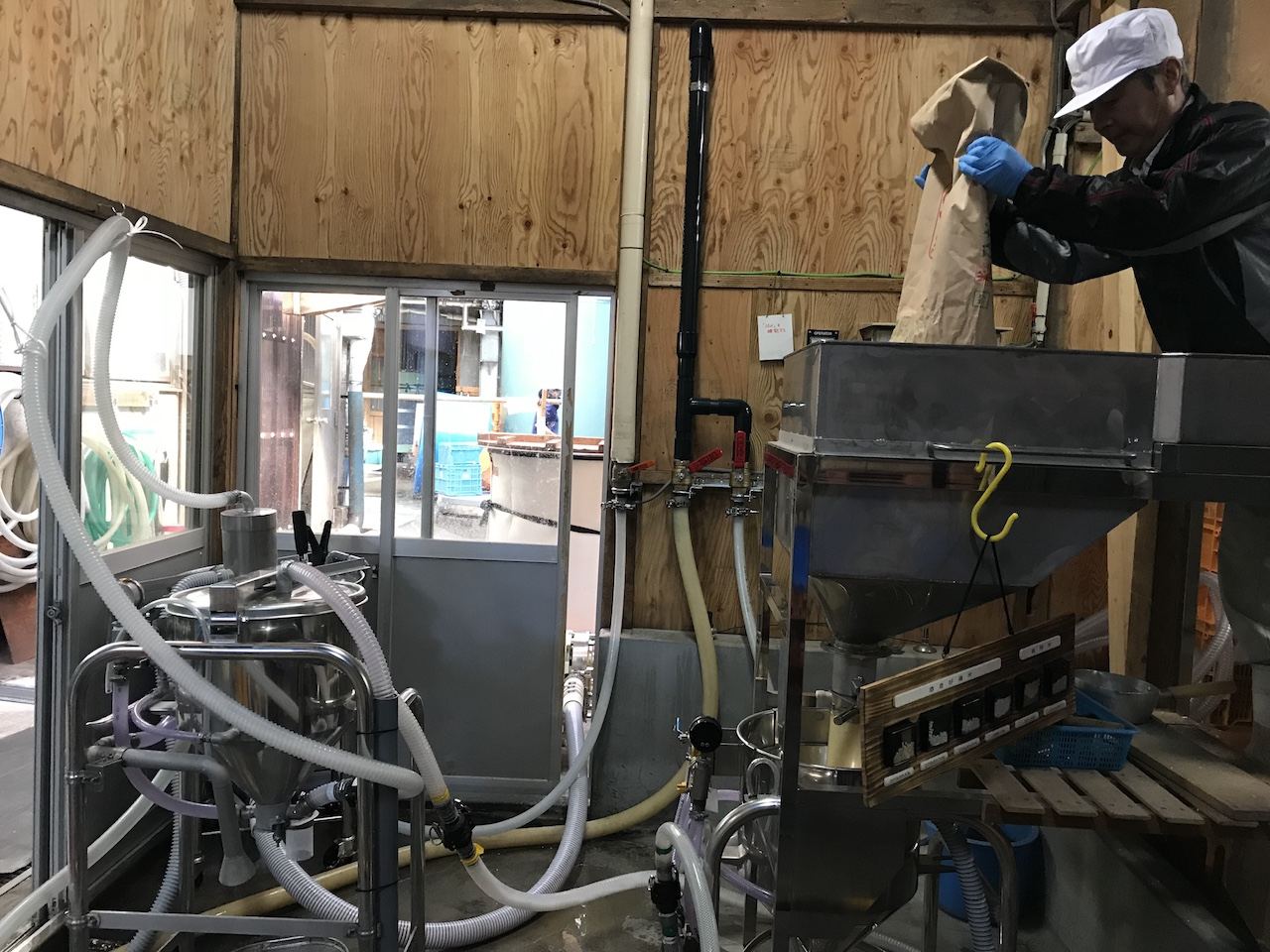
Katagiri: Keeping the state of the steamed rice stable.
A rubbery elasticity is ideal.
bien: You press the freshly steamed, piping-hot rice in your palm to check it, right?
I nearly burned myself (laughs).
What's the fun part?
Katagiri: The brewing process is the same, but since we're working with microorganisms, it's invisible.
The final result changes with the smallest thing.
Drawing on my experience and instincts there,
when a good sake comes out, it brings a sense of accomplishment — that's the fun.
bien: I see. No matter how much the human side repeats the same process, the counterpart is a living thing,
so it requires the flexibility to adapt to the natural environment.
Could you sum up the character of Tenryo's sake?
Katagiri: We use local rice called Hidahomare.
Using this rice gives the sake fuller flavor, a rich aroma, and a clean finish.
It pairs wonderfully with Hida cuisine!
bien: Hida cuisine and sake, and Gero has hot springs, too!
A truly restorative moment.
Thank you very much.
The interview article with CEO Ryuhei Uenoda is here