Shibata Shuzo
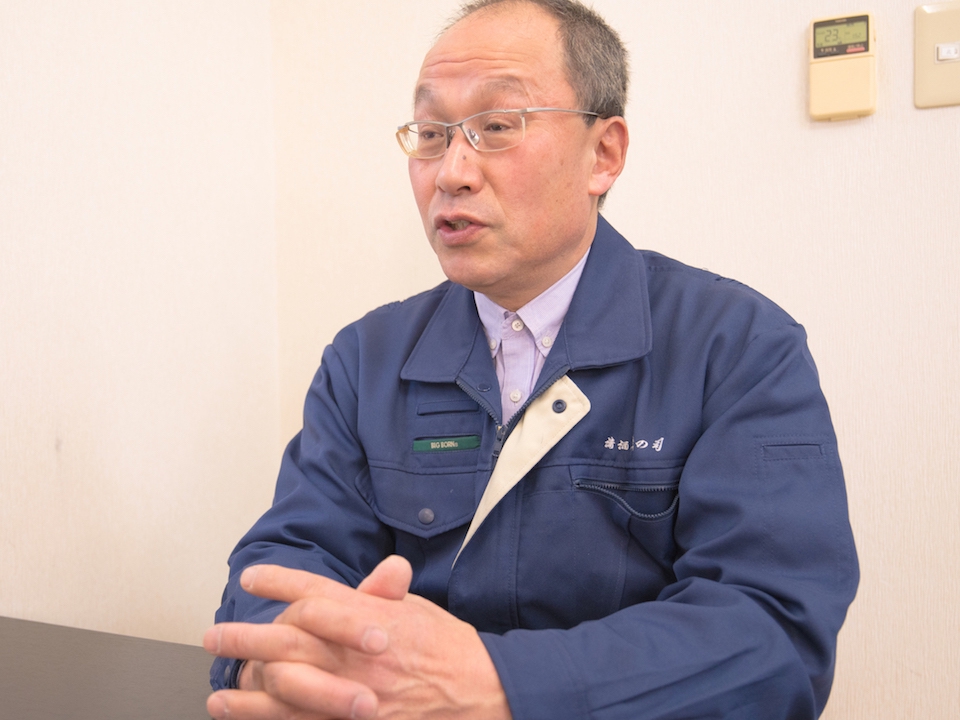
"Moving people with robust sake and cuisine!" 8th-generation president, Hidekazu Shibata
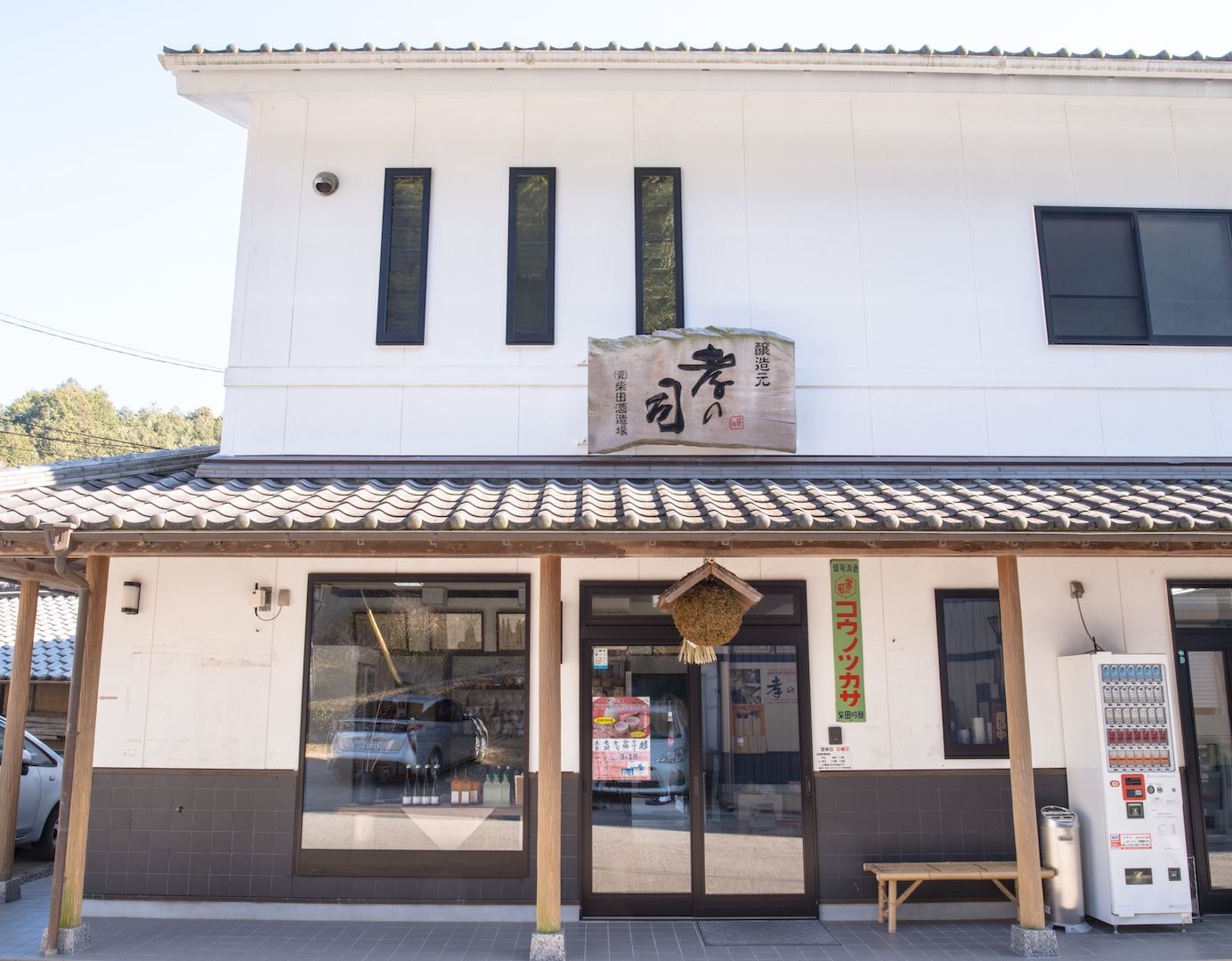
Founded in 1830.
Hokkyu-cho, in the northeast of Okazaki City in the southeast of Aichi Prefecture.
This region lies at the end of the Akaishi mountain range,
a town of natural beauty where over 90% of its area is forest.
Website is here
Interviewee: President Hidekazu Shibata (hereafter "Shibata")
Interviewer: bien — Ayako Yoshida (hereafter "bien")
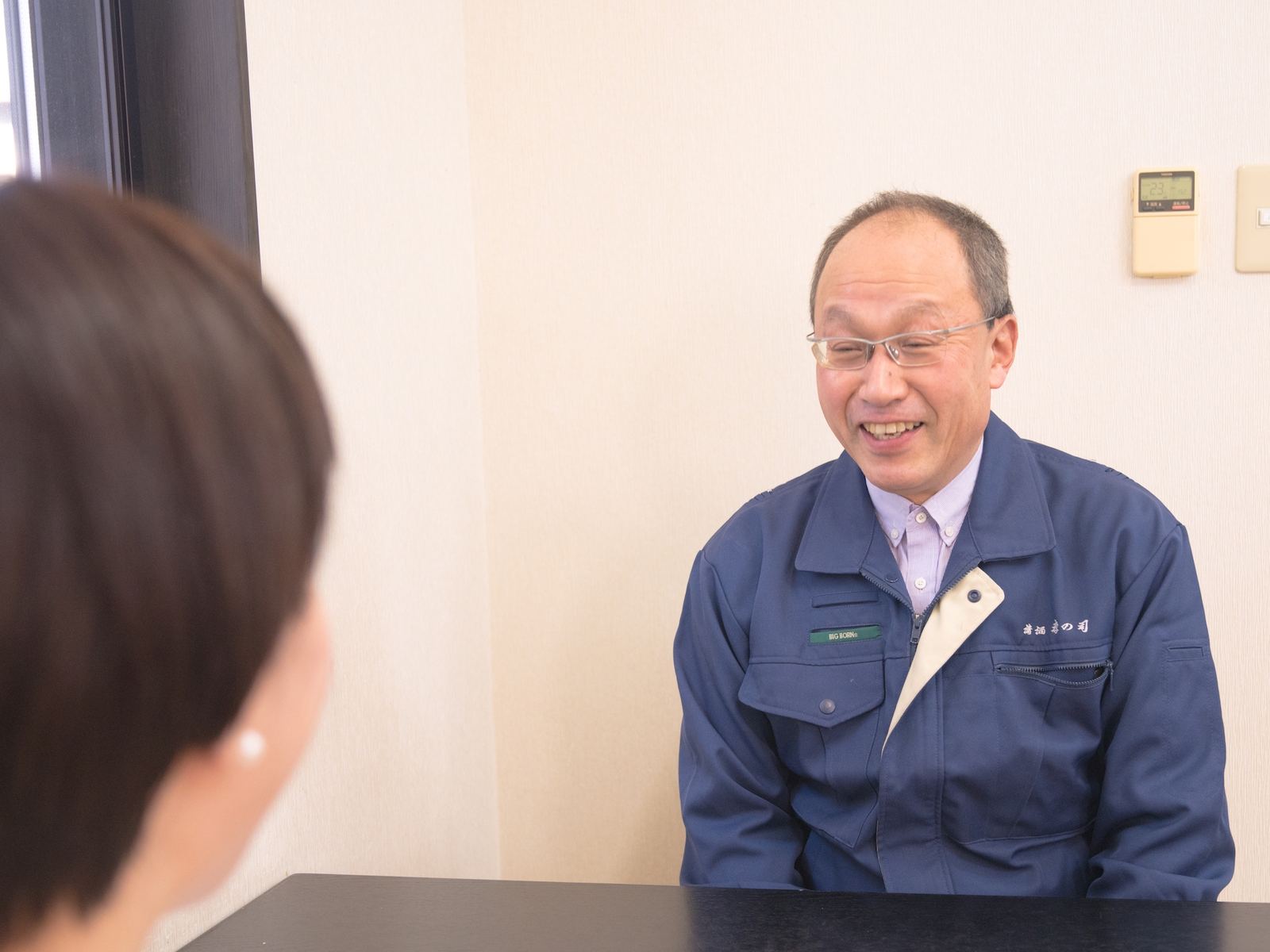
bien: We'll be speaking with the 8th-generation president, Mr. Shibata. Thank you for your time.
What do you want to convey to the general public as a brewery?
Shibata: I'd be happy if people came to feel that our sake is meant to be enjoyed with food.
As a brewery, we don't want to make textbook sake; we make it through trial and error together with the younger staff.
First, sake that suits Okazaki's climate, and while also keeping an eye on overseas markets,
we work hard without cutting corners to come closer to the image of what we ourselves find delicious.
bien: Okazaki is known for its miso. How would you express the local cuisine here?
Shibata: Well, it's a bit sweet and rich.
This area is in the mountains, with things like venison sashimi and generally heavy seasoning,
so we aim for a sake without ginjo (吟醸) aroma that can stand up to strong food
and let the food shine as you drink.
bien: Sweet, rich dishes are also common in Western cuisine.
I had the pleasure of trying your sparkling sake before, and it was very good.
It had a solid flavor that seemed to go with any Western-style dish.
Shibata: Sake with a very high ginjo aroma you can't drink more than a glass or two of,
and it clashes with the food, so we deliberately make sake without ginjo aroma.
bien: Something you never tire of, but with real substance.
Shibata: Exactly! Something with a firm backbone — robust!
bien: What does Shibata Shuzo hold most dear?
Shibata: The more care you give the sake, the more heart goes into it and the better the flavor, so we make it while fine-tuning everything ourselves —
that's what we hold dear.
We take turns checking the delicate temperature and humidity every hour and a half.
bien: How would Shibata Shuzo like to grow from here?
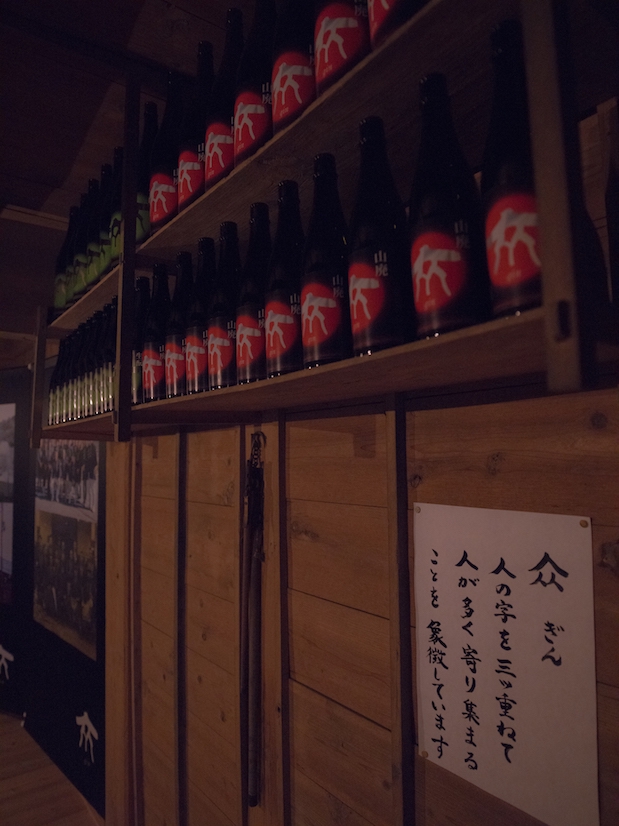
Shibata: Our current pillars are kimoto (生酛) and yamahai (山廃). We want those to sell across Japan and overseas first.
We want to brew sake with sweetness and real structure — robust sake — and spread it to people who appreciate that flavor.
Our vice president is very capable, so he brings in orders from overseas, from places like Taiwan, China, and Australia.
We want to spread sake that moves everyone and brings them joy.
bien: What do you think sake is?
Shibata: Something that brings out the food and whets your appetite.
bien: When you say it whets the appetite, people nowadays talk about carbs and
sake making you gain weight — we hear that a lot.
Women especially say, "I'd rather not have my appetite stimulated."
Lately there's even sushi without the rice. What do you think?
Shibata: Sake energizes the whole body and is very well balanced, so it's not all carbs.
Distilled spirits, on the other hand, leave you lacking nutrients if you don't eat — you get calories but miss out on vitamins.
So it's genuinely good sake for people who move, work, and use their strength. Just don't overdo it —
balance-wise it's excellent.
And your skin becomes beautiful.
bien: Well said! People who drink sake really do have beautiful skin!
If you want to be beautiful, drink sake! (laughs)
The interview article with toji (杜氏) Shizuka Ito is here
Toji (杜氏) Shizuka Ito
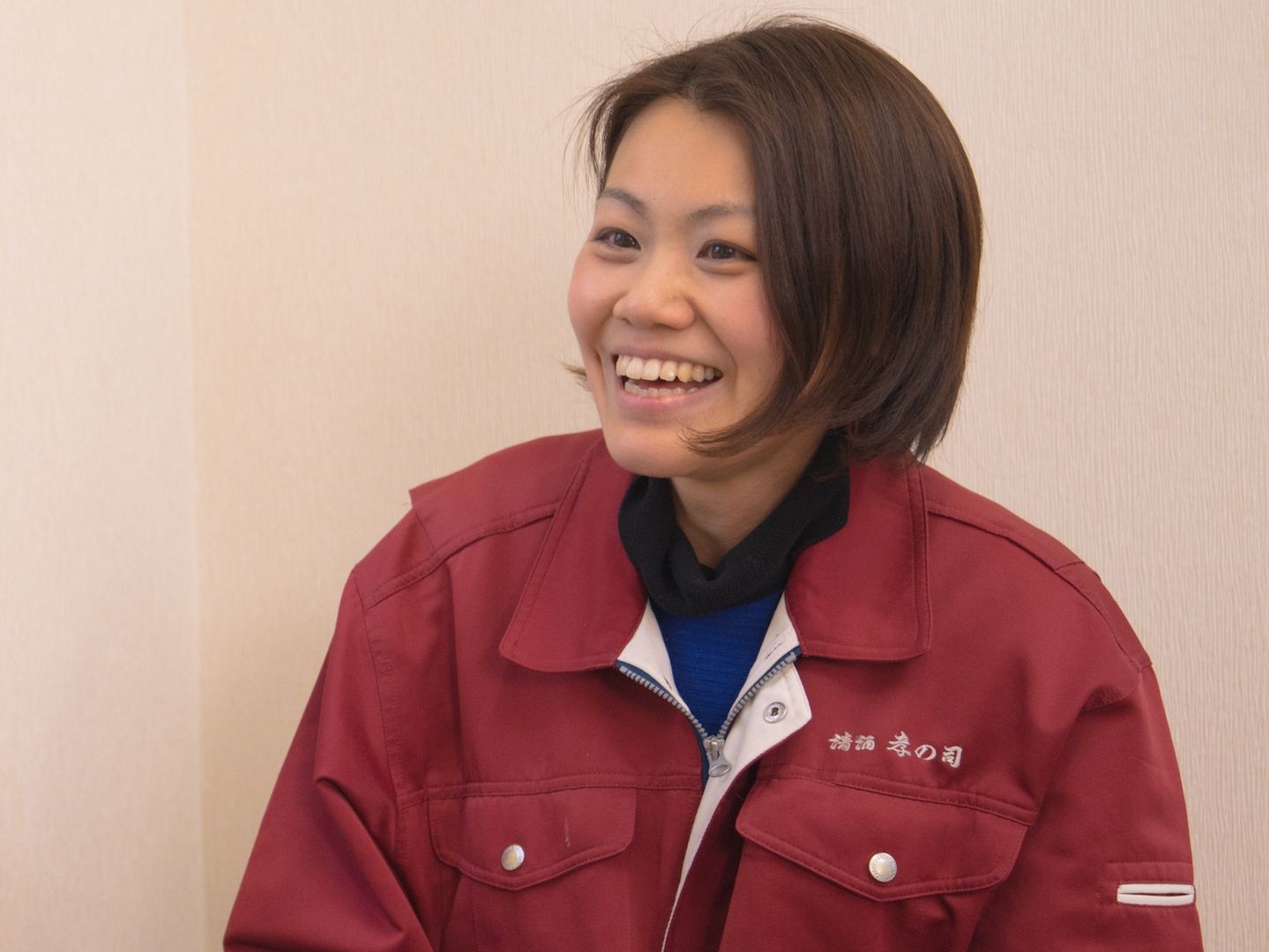
Interviewee: Toji (杜氏) Shizuka Ito (hereafter "Ito")
Interviewer: Ayako Yoshida, bien (hereafter "bien")
bien: Ms. Ito, you're a female toji (杜氏)! How many years have you been involved in sake making?
Ito: I joined the company about sixteen years ago, but I had maternity and childcare leave along the way,
so this is my eighth year actually working in sake making.
bien: So if you joined sixteen years ago, you were doing other work at Shibata Shuzojo before that.
Ito: That's right. I wanted to make sake, so I applied to join this kura (酒蔵) and worked in the brewery from the start.
bien: Why did you want to get involved in sake making?
Ito: I encountered sake in college and thought it was really delicious.
Then my interest grew little by little, and as I visited various kura,
I came to think that people who make things are cool.
So I wanted to try sake making, sent postcards to various places, and was hired here.
bien: Now that you're actually making sake, how is it?
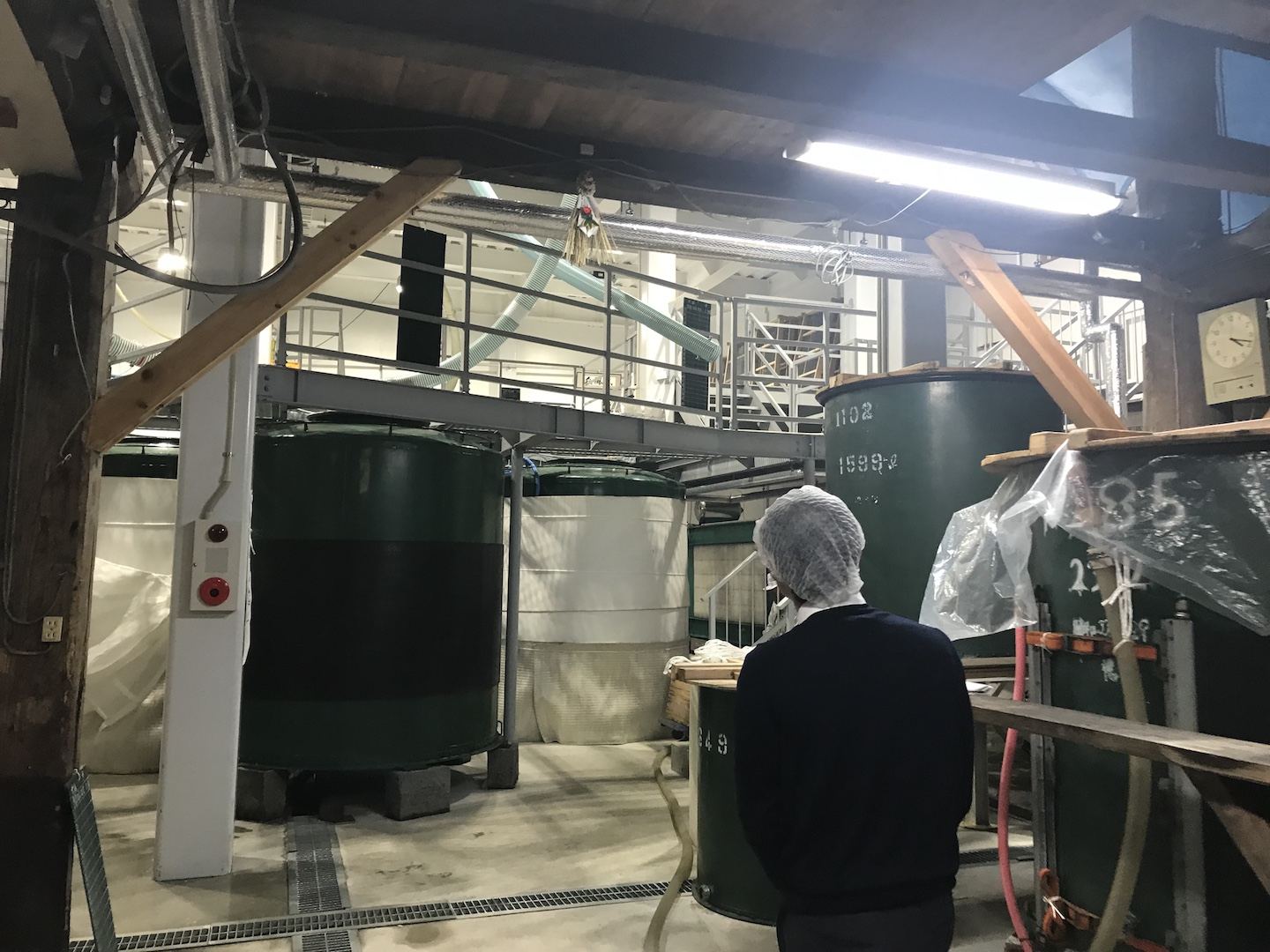
Ito: You can see the moromi (もろみ) change day by day,
so it's hard work, but it's rewarding and enjoyable.
bien: Watching the moromi change is one of the joys! What's the hard part?
Ito: Using your head to plan the next step, and temperature changes are very important, so you have to think about what will happen if you set the next temperature to a certain degree—
you have to plan ahead. One misstep and the sake can suddenly race ahead,
and you can't make good sake, so working carefully while thinking about that is the difficult part.
But when good sake comes out, I think it was worth the effort!
bien: That's a great feeling! How old is your child?
Ito: I have one son, nine years old.
bien: Isn't it tough? Sake making and raising a nine-year-old.
Ito: It is. The mornings are early, so it might be a burden on my child, but he understands my work,
so I'm managing somehow.
bien: Does your child seem interested in sake making?
Ito: Who knows (laughs). He said sake smells nice. And he says he wants to drink it.
bien: Sounds like he has potential! (laughs)
In a word, how would you sum up Kono Tsukasa's sake?
Ito: We brew with very soft water,
so the sake itself is full-bodied and soft,
with a clean finish.
bien: Thank you very much. I'm rooting for you balancing childcare and sake making!
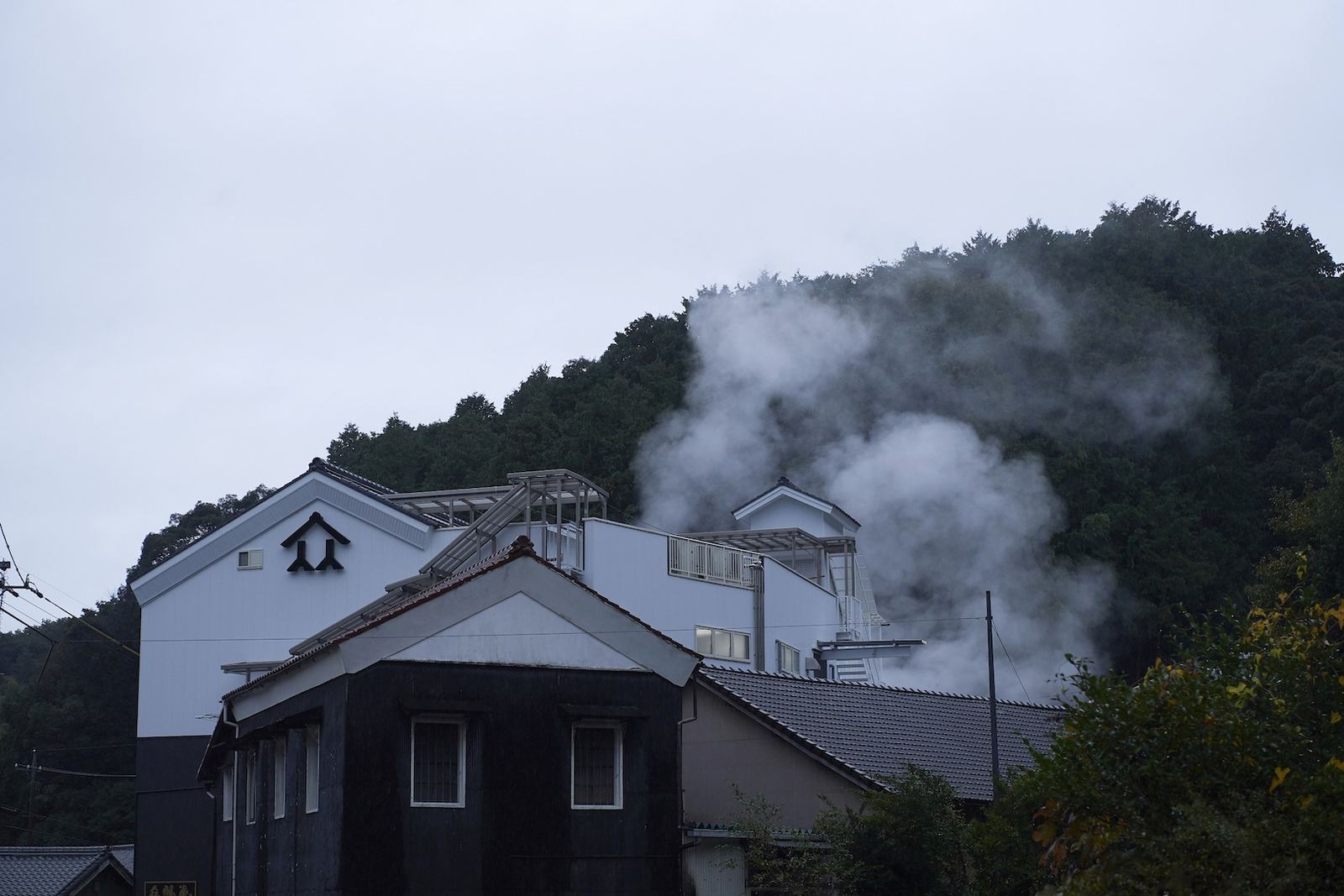
The interview with President Hidekazu Shibata is here