Kamisugi Shuzo
"Cherishing the local area and bringing out the character of jizake (地酒, local sake)" 17th-generation President, Takiya Sugimoto
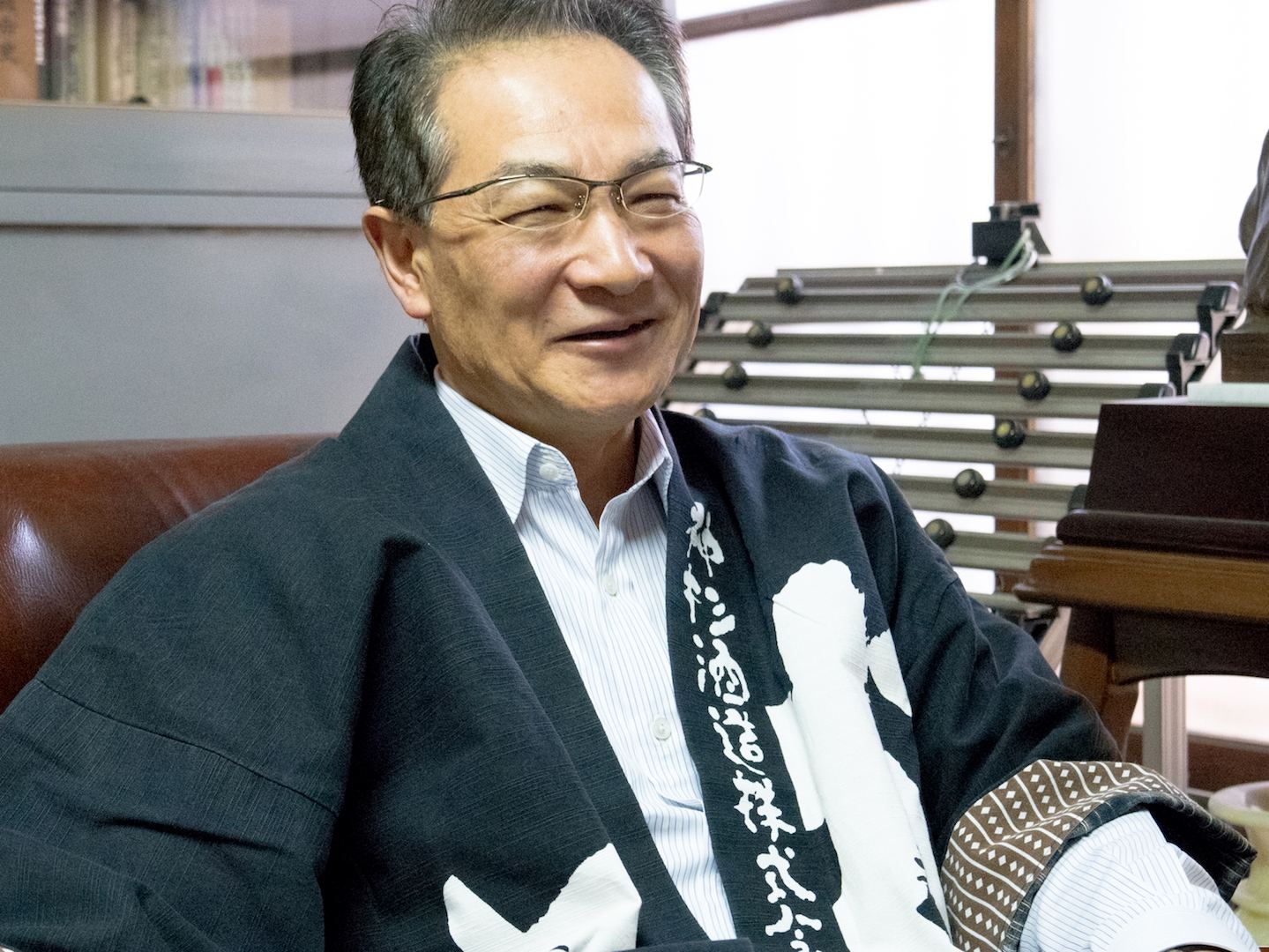
Founded in 1805.
Anjo City is one of Aichi Prefecture's foremost agricultural cities. Here, 100% of the sakamai (酒米) is polished in-house, producing sake with real character. Using "Wakamizu," a shuzo-kotekimai (酒造好適米, sake-brewing rice) grown in Anjo, and the underground water of the Yahagi River that flows through the city, they pursue an authentic jizake made entirely from local Anjo ingredients.
Interviewee: President Takiya Sugimoto (hereafter, Sugimoto)
Interviewer: bien's Ayako Yoshida (hereafter, bien)
bien: A 17th-generation president! You've truly protected and passed down a long history through the generations.
Sugimoto: When we were founded in the Edo period we were in Toyota, but we moved to Anjo.
Anjo is called the "Denmark of Japan," and it's long been a region with thriving agriculture.
There are few natural disasters, so it's well suited to farming.
It also produces a lot of rice, and it's a region that grows a great deal of the sakamai "Wakamizu." So,
we stopped brewing with Yamada Nishiki.
bien: Giving up Yamada Nishiki, the standard rice for sake, is fascinating.
Sugimoto: I wanted to value local production for local consumption.
Wakamizu has a large shinpaku (starchy core), and in the past it could only be polished to 60%, so the flavor inevitably became heavy.
So, with cooperation from the local government, we took the best of both Yamada Nishiki and Wakamizu,
and the sakamai being improved through research is called "Muginka."
bien: I see. Valuing local production for local consumption from long ago.
A kuramoto who values the connection between farmers and sake making and can speak up to the government is rare indeed.
Sugimoto: Maybe it's because we happen to be in this environment called Anjo.
I intend to do what I can.
The rice farmers,
want to drink sake brewed from the rice they grew themselves,
so recently, each kuramoto has been
bringing their finished sake together to hold study sessions.
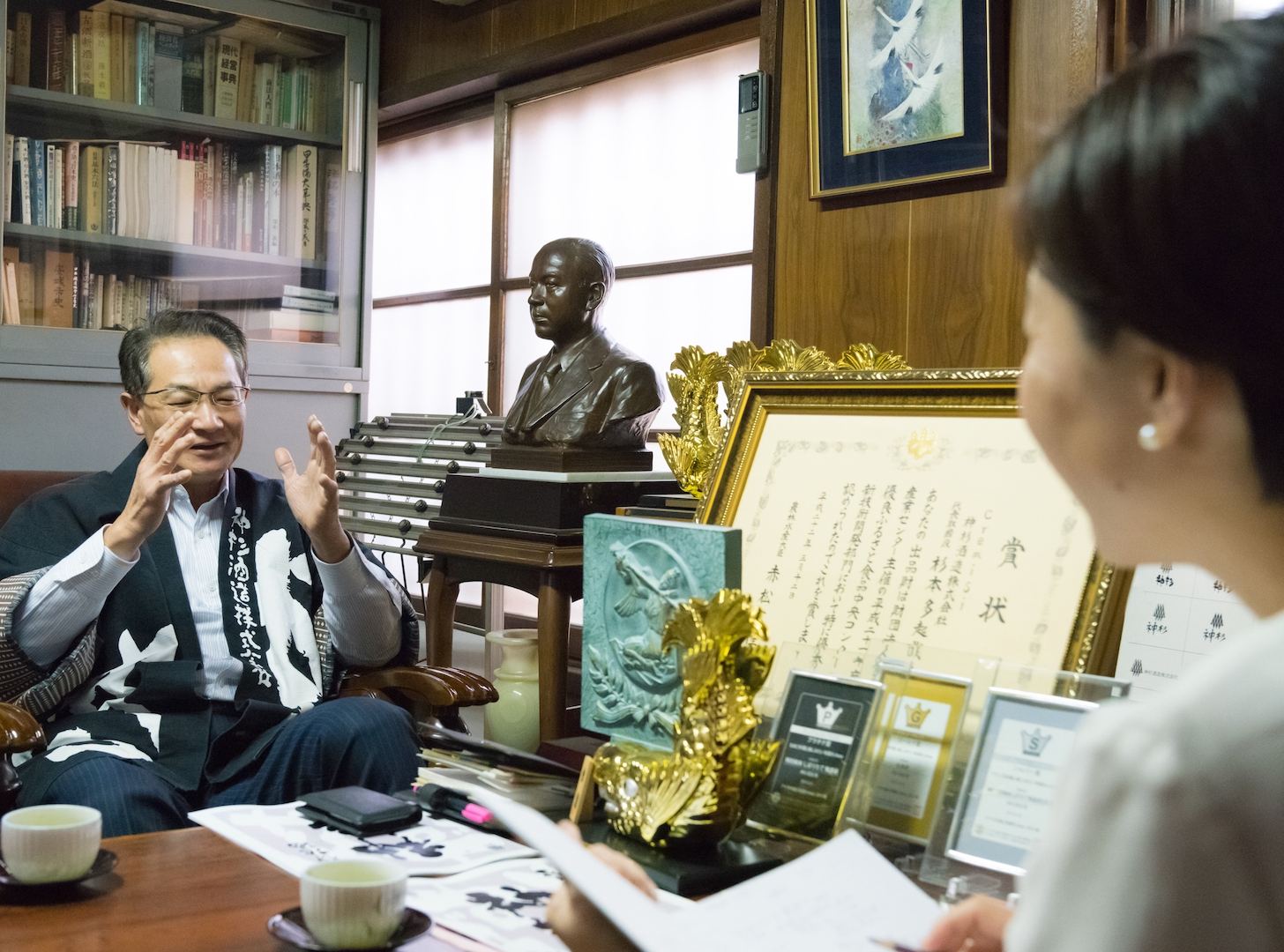
bien: Tasting the rice you grew yourself as sake must be wonderful!
Sugimoto: Anjo's farmers have a lot of pride, so there's a lot of good rice. It's high quality.
bien: Even on Kamisugi's website, your dedication to rice and water really comes through!
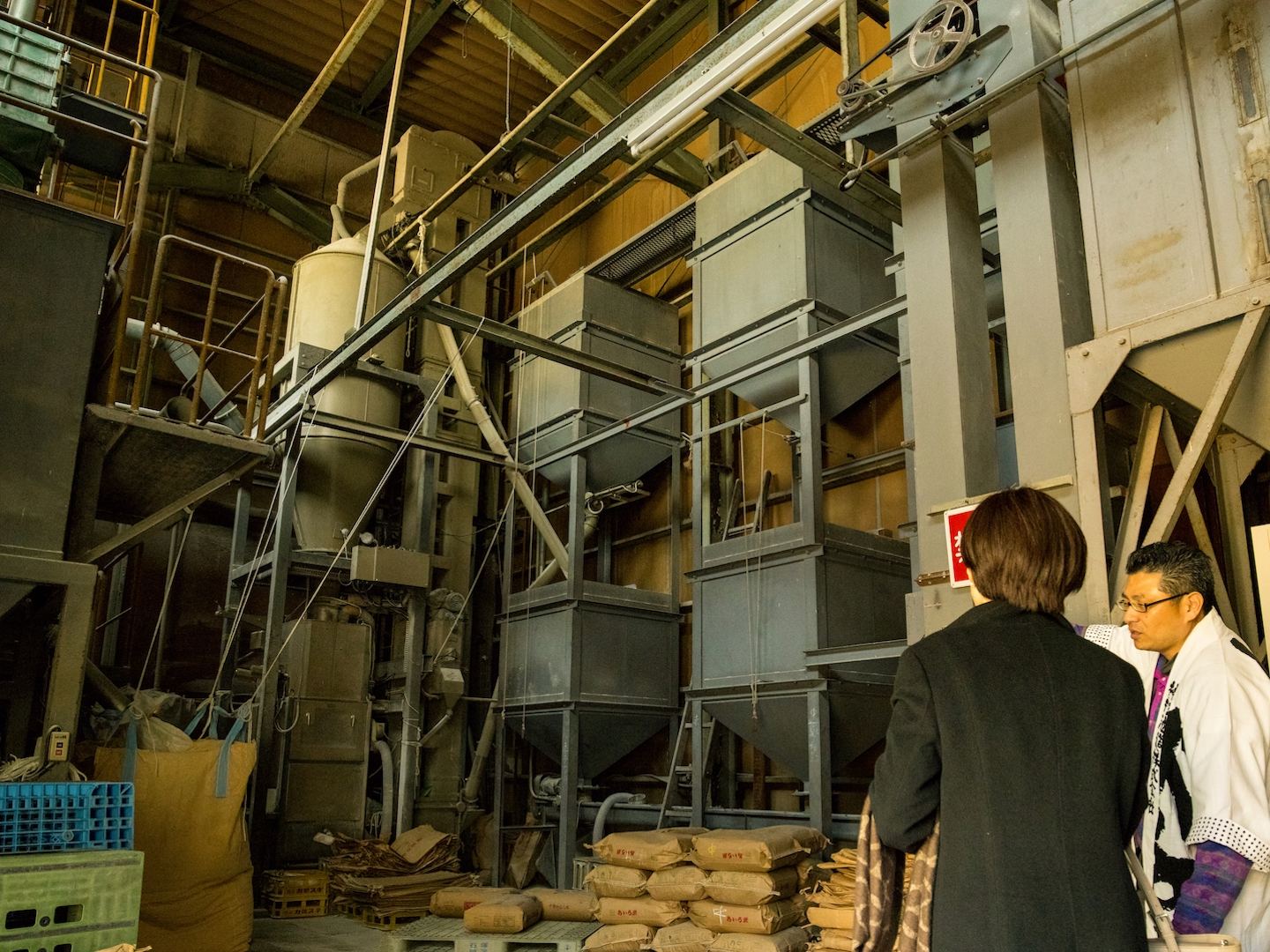
Sugimoto: We brew starting from in-house rice polishing.
By doing that, we can be satisfied with the flavor. We grasp every stage.
By changing the seimai-buai (精米歩合), we enjoy exploring how to express the same rice in different ways.
In a sense, we're playing around (laughs).
bien: What do you want to convey to consumers?
Sugimoto: Hmm, we're still lacking in PR.
Lately we've been featured in the media more often, and I feel raising our profile is important.
First, getting people to know us—holding kura openings and taking part in events.
bien: What does Kamisugi Shuzo hold most dear?
Sugimoto: That's a question I get often, but it's hard (wry smile). Being delicious is a given.
So what I value is brewing sake that moves people.
I'm devoted to bringing out the kura's own color and character. It's fine for people to have likes and dislikes,
and to see how much we can perform with the same rice. We brew many different kinds of sake.
bien: Having character is important.
Where does Kamisugi Shuzo want to go from here?
Sugimoto: That's also a very difficult question (laughs).
I think every kuramoto feels this way,
but I want to be recognized by society while promoting ourselves so the local community loves us.
People say we're well known in the region, but I want to be better known right here at home.
We've been holding kura openings for ten years, but we've been told the threshold feels high,
so I want to become a more open, approachable kura.
People say various things, but I try to keep up our steady, down-to-earth efforts.
bien: Keeping at it is wonderful!
What do you think sake is?
Sugimoto: Lately, consumers include foreigners and women in their twenties.
More and more people are enjoying sake from fresh perspectives.
In the end, the pairing of sake and food is a matter of feeling, and it differs from person to person. There's no right answer.
I think people should enjoy it freely, without fixed ideas.
Even pairings that seem mismatched are fine if you enjoy them while making new discoveries.
bien: I agree. Different countries and cultures mean different dishes to pair and different sensibilities!
Through my own work I'm sometimes surprised by new discoveries too, and I feel that's part of sake's appeal.
Thank you very much.
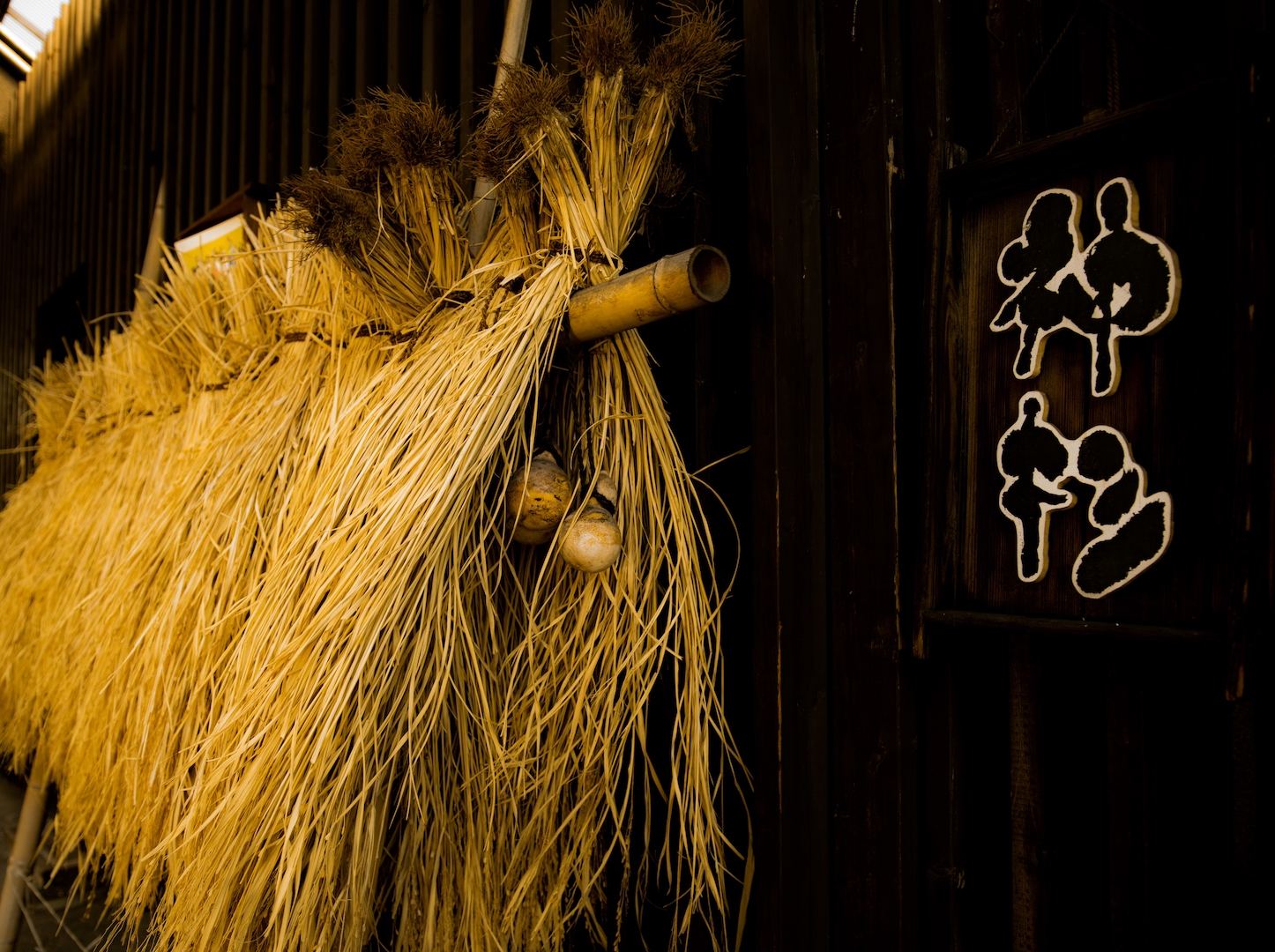
The interview with toji (杜氏) Takao Nonogaki is here
Toji Takao Nonogaki
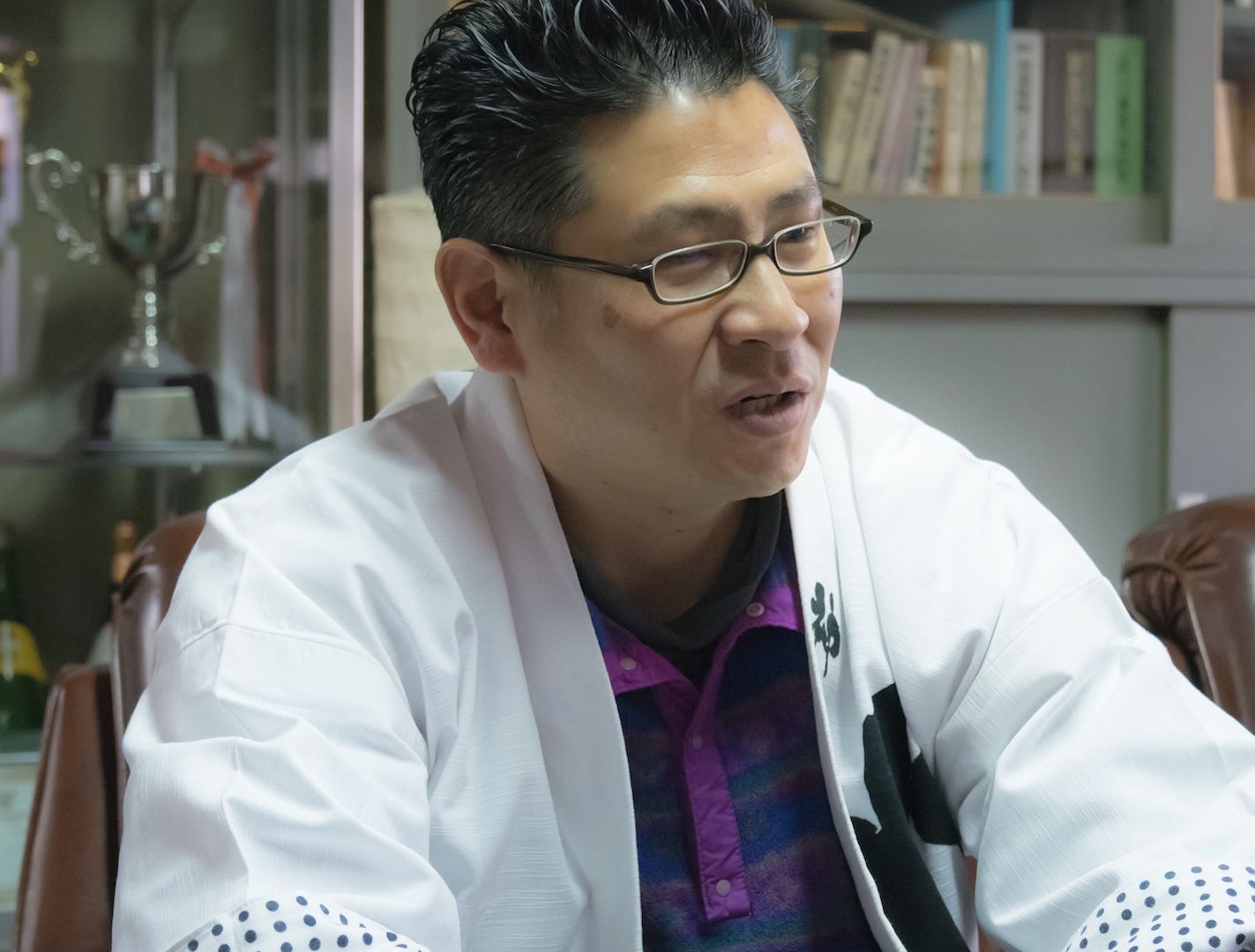
Interviewee: Toji Takao Nonogaki (hereafter “Nonogaki”)
Interviewer: Ayako Yoshida of bien (hereafter “bien”)
10th Kamisugi Shuzo Co., Ltd. (Anjo City, Aichi Prefecture)
Toji Takao Nonogaki
bien: Nonogaki-san, what do you value most in sake making?
Nonogaki: Making sake that “moves the heart.”
It may sound odd, but it means I don't make sake that panders to everyone (laughs).
bien: What got you started in sake making?
Nonogaki: In university I worked part-time at a sake shop in Oita Prefecture and grew interested in sake.
Right around when I was job hunting I returned to Nagoya, interviewed, and immediately joined Kamisugi Shuzo.
bien: What did you study at university?
Nonogaki: Industrial chemistry. Completely unrelated! (laughs)
bien: What do you enjoy about sake making?
Nonogaki: I love eating, and I love drinking too.
So my joy is making my ideal sake — one I would drink and think is delicious.
Though of course it's a business, so I do feel I should make something with broad appeal.
bien: What sort of sake are you aiming to create?
Nonogaki: Sake that brings out the goodness of the rice. In our case especially, drawing out the quality of local rice.
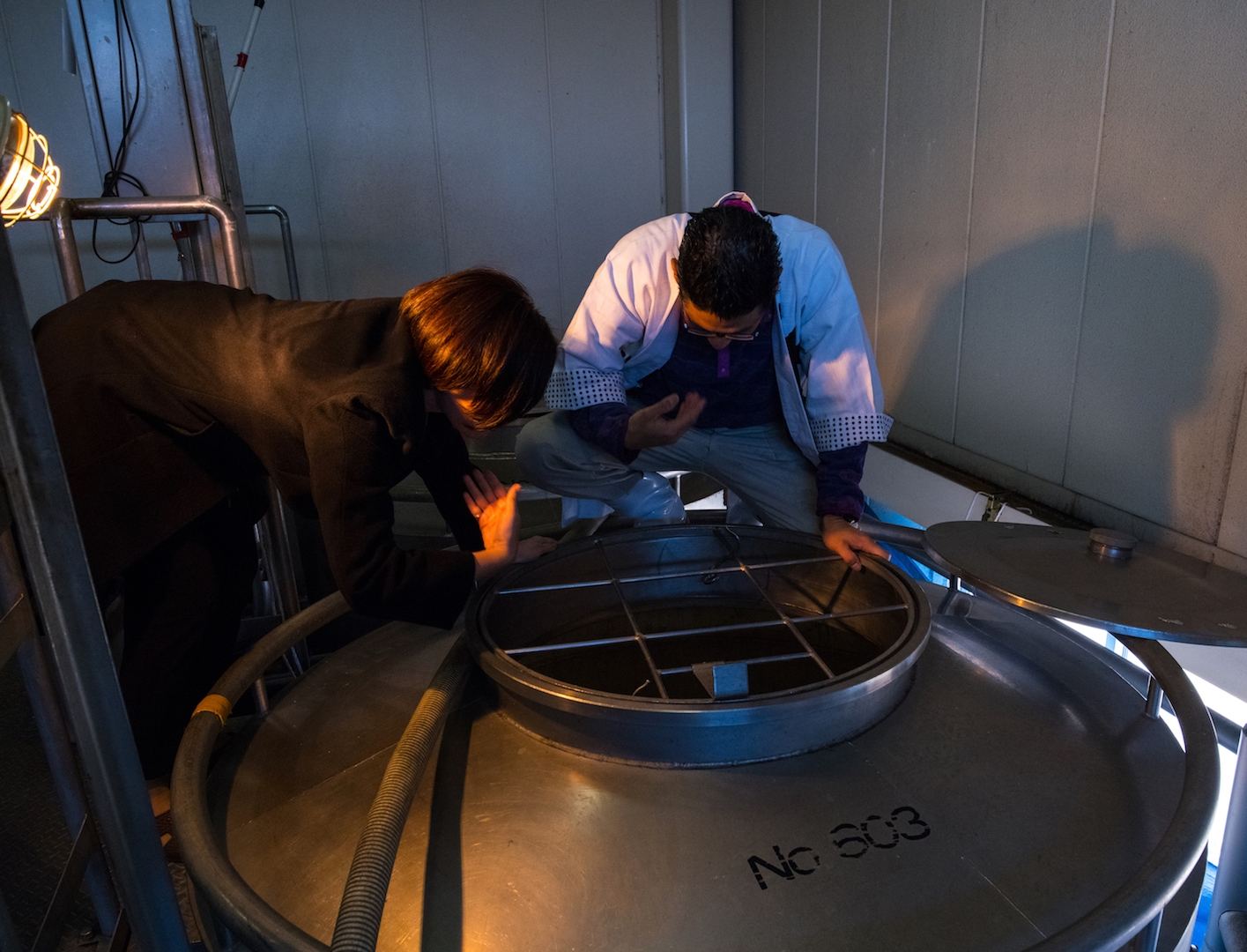
bien: Is there anything you find difficult on a daily basis?
Nonogaki: Everything about sake making is hard!
But I like moving my body, so I absolutely hate doing paperwork (laughs).
Administrative work like that is really tough.
bien: In a few words, how would you describe Kamisugi's sake?
Nonogaki: We don't use Yamadanishiki, so a lot of our sake doesn't hold up at appraisal competitions.
But I feel jizake (地酒, local sake) has no meaning without distinctiveness. I want to preserve as much of the rice's goodness and umami as I can.
I think the umami of the rice is what makes it jizake.
I would like a gold medal, but not if it means changing my own convictions.
Our sake has character, but I hope people take that in a positive way.
bien: An unwavering philosophy that isn't swayed by others — wonderful.
Thank you very much.
Read the interview with President Takiya Sugimoto here