Vol. 1: Sawada Shuzo Co., Ltd. (Tokoname, Aichi Prefecture)
"Reviving the good things of the past while adapting them to the present" President Kaoru Sawada
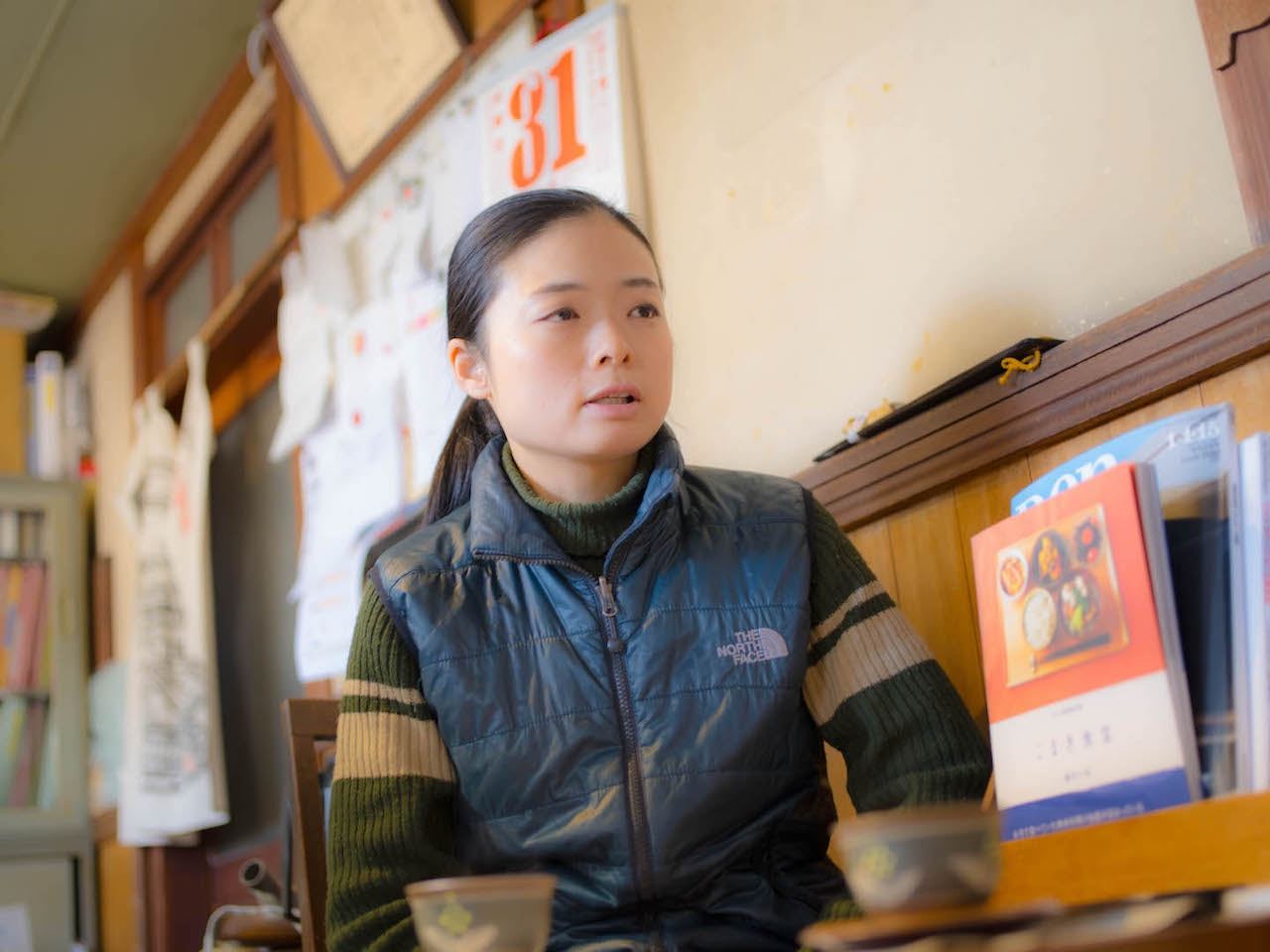
A kura (酒蔵) that has continued in Tokoname, renowned as the pottery capital, since 1848 (the first year of the Kaei era).
Homepage: here
Even today, rice is steamed over a traditional iron kettle under a large wooden vat (koshiki), and for koji (麹) making — the most crucial step of brewing — they use koji-buta trays, insisting on time-honored methods for every last drop of their sake.
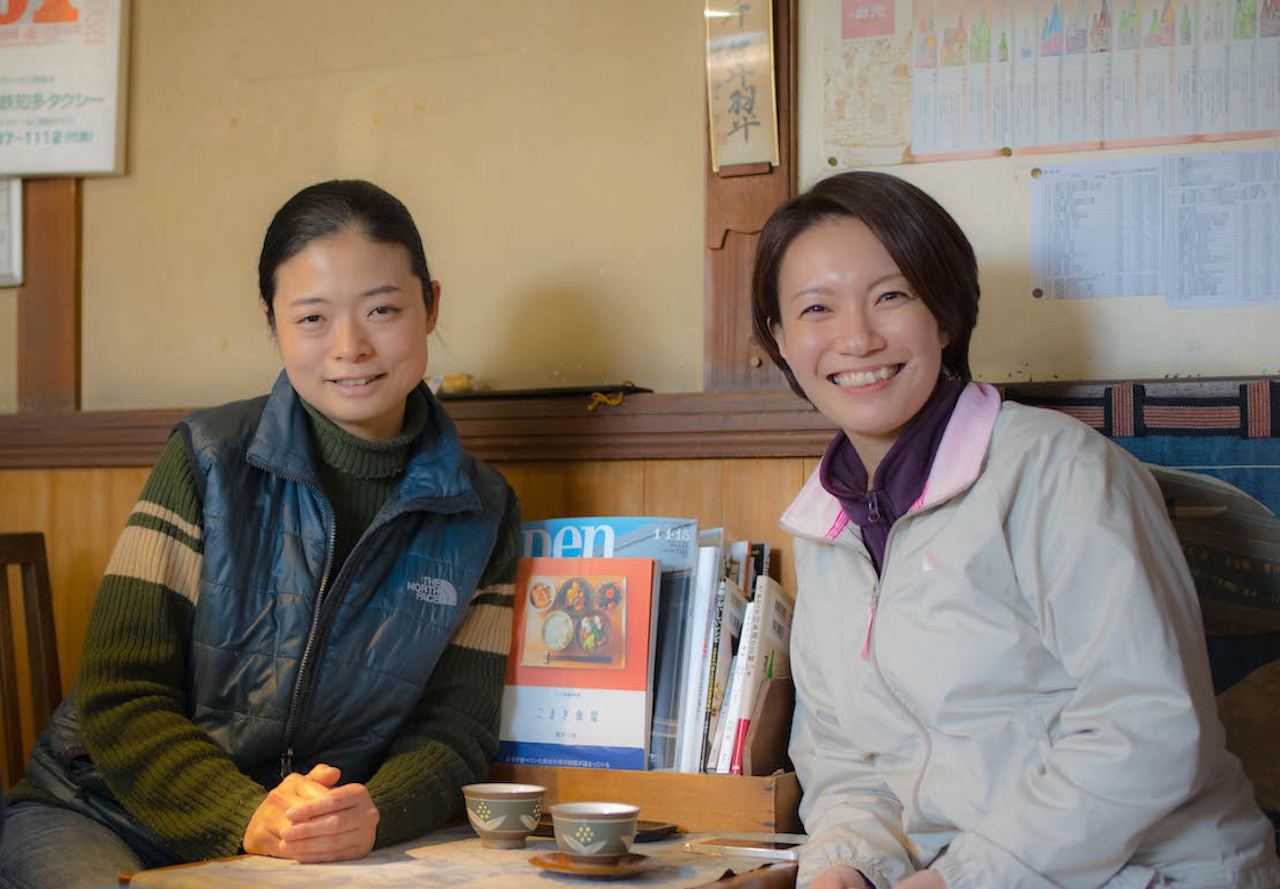
We spoke with the sixth-generation Kaoru Sawada.
Interviewee: President Kaoru Sawada (hereafter "Sawada")
Interviewer: bien (美宴) Ayako Yoshida (hereafter "bien")
bien: Well then, President Sawada, allow me to ask you four questions, broadly split.
First: as a kura (酒蔵), what would you like to convey to the general public?
Sawada: Well, ultimately,
I want to convey the deliciousness and the enjoyment of sake.
That's probably the biggest thing.
bien: I see. What do you consider the enjoyment of sake to be?
Sawada: When you're eating something delicious, having delicious sake — and when you drink together with conversation,
or when strangers connect with one another — people connecting like that, and naturally breaking into smiles. All of that.
bien: "Wa" — harmony. A sake that brews harmony, "wa-jo-ryo-shu." I understand. You want to convey the deliciousness and enjoyment of sake.
Now, my second question: where would Sawada Shuzo like to go from here? Any goals, if you have them.
Sawada: Well, this is really a story particular to each individual kura (酒蔵), but for us, this is truly a time of trial,
in order to keep going into the future, we're in a transitional period with many things that must change, and many challenges to face. So as for where we want to go — first and foremost,
we want to keep brewing a sake that continues to be loved, and to be a kura (酒蔵) that is sought after. That's the main thing.
You might say we want to survive — continuing to exist is the number one priority. The vision beyond that, I'll think about when the time comes.
bien: I see.
Thank you.
On the subject of preserving the old while changing — which parts do you see as the change? If the flavor shifted entirely, longtime fans would be unsettled, so which parts would you like to change in order to carry forward into the future?
Sawada: Yes, I think it's a very fundamental question. I think we really ought to take another hard look at our brewing.
There are things we've been doing out of mere inertia, and I'd like to change those — if they need changing, I want to change them. And if there's meaning in what we've kept doing, I want to keep doing that. But the part where we brew koji (麹) with the iron kettle, wooden koshiki, and koji-buta — that's our very core, so I don't want to change that, and by protecting it, there are places I'd like to dig deeper. This ties into my vision, too: not just ending at the "performance" of it, but by truly continuing to do it, the new connections we'll make with our craftsmen who build the vats, things we'll start from now — like the model efforts on Shodoshima where they revive kioke (木桶) and assemble them themselves — these things are possible if we approach them the right way. Right now I don't have the skill or even the ability to gather people for that, but that kind of regeneration — bringing old things back to life in the present age — is something I'd like to do as well.
bien: That's wonderful.
Sawada: I'd love to do it, but I have to keep things turning well enough to actually pull it off.
bien: Reviving the good things of the past while adapting them to the present.
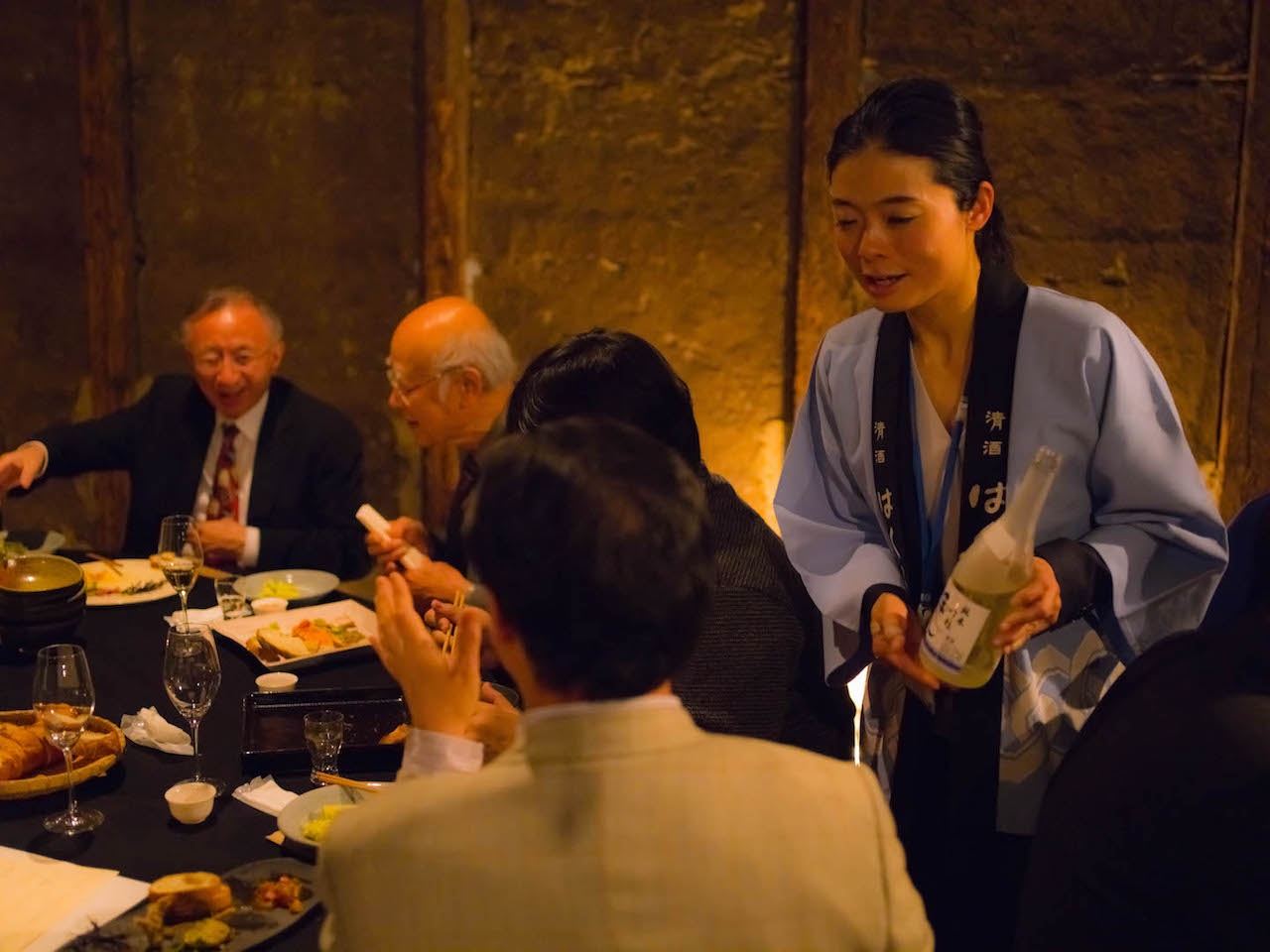
Sawada: I think it's not just sake — with clothes, food, even the places we live, all of it is the same. In every genre you see people now reexamining the things that have long been said to be good.
Sometimes those things even strike a chord with modern people — with clothes, for instance, there are textures that synthetic fibers alone can never give you, like wool or hemp. And within that, there are methods unique to Japan that are truly wonderful. I think pursuing those things is where the meaning of us as a kura (酒蔵) lies. I'd like to reach that level, that state — but for now there's still a mountain of problems, so I want to keep things organized, trim things down, and keep turning. Everyone's still young, so I want to keep developing the abilities of our young staff as we go.
bien: I myself was able to experience five days of training at the kura (酒蔵) this time. Among all the different brands and all the trendy sakes out there,
over just these five days — truly only five days — I learned an enormous amount. I really came to see Hakuro's own unshakeable style: not a stubborn, inflexible one, but in a sake industry churning with noise, the tradition being so faithfully protected came through clearly. Unswayed by surroundings, from Miura-toji to every one of the kurabito (蔵人), the warmth of everyone genuinely treasuring the rice and brewing with care really came across — it was a tremendous learning experience.
Sawada: I think our kura (酒蔵) has plenty of shortcomings, but if you ask about our strengths, we're not the kind of place that's all stiff, harsh, and stoic —
not that.
I think there's value in a kura (酒蔵) where a gentle, warm, easygoing character comes through.
In that respect, I think people can feel that our kura (酒蔵) has a warmth to its flavor.
bien: Even so, everyone has such autonomy — setting to work briskly without having to be told anything.
I really felt how thorough the guidance must be.
Sawada: No, no, we still have a long way to go.
bien: Before you know it, everyone disperses and immerses themselves in their own work — I thought it was truly admirable.
In an age where so much is digitized and managed through data, here the five senses are treasured. Crafting sake by experiencing touch, aroma, flavor, and temperature, day by day, in a very human way — I feel this is something that simply can't be done through modern computer management.
Sawada: That's right — I think we really should be doing more numerical management, but that's an area we're
not very good at.
bien: But perhaps there's merit in that too.
Right, so on to my third question: what do you think sake is?
Sawada: What is sake, you ask?
Sake is something with ties to the gods going back to ancient times — for Japanese people, it's something that can't be separated from us. And since many people don't know that, I want to brew sake so that people can feel that connection.
It's not something special — and yet it's something for special occasions, and also an everyday thing. I think sake is something that stays close to people's lives.
bien: It does feel uniquely Japanese, doesn't it?
Sawada: Through ceremonies, weddings and funerals, and the turning of the seasons, sake has appeared in every kind of event,
and I hope those things remain going forward.
bien: How do you think we should present this sake — something so deeply rooted in Japan, an everyday given — so that
people overseas can come to understand it?
Sawada: Honestly, I've never once sat down and thought about anything for overseas.
It still feels too soon to go there. I'm not dexterous, so I can't think about many things at once. But through the small number of foreign visitors who come to us, what I feel is that they understand it intuitively, right away! Even when I talk about the exact same things I always do, they pick up on it with an incredible sensitivity and instinct, far better than Japanese people, and they're so moved. So in a sense they're quicker to grasp it than when I clumsily explain things to a Japanese person — that's the impression I get.
bien: There are English explanations here and there around the kura (酒蔵) too.
Sawada: Oh no, those are left over with strange wording as-is, never fixed —
which is embarrassing. When did we even make them? It must have been about ten years ago.
bien: I also heard that you, President Sawada, have been abroad.
Sawada: That's another thing I'd rather not talk about — I can't speak at all; even if someone told me to speak, I couldn't. And that just won't do.
(laughs) Flipping that switch is exhausting, so I keep running away from it.
So honestly, I'd love some help with it.
bien: If there's anything I can be of help with, please don't hesitate to ask.
For my final question — you mentioned "wa" of "wa-jo-ryo-shu" earlier. What do you think "wa" is?
Sawada: That's a difficult question.
bien: It could even be Japanese culture itself, but as "bien," we operate under the concept of "bringing wa to the world." Sake is Japan's "wa,"
and it's also that "wa" that brings ease to human relationships — I believe that sake, wa, and human relations are all connected. Our concept is to convey all of that to the world through sake as a tool. What are your thoughts on that "wa"?
Sawada: Hmm, it's something that's simply there, and partly something that's hard to put into words. I wonder if it's because we've never really
sang the praises of "wa" explicitly. Honestly, we've never made a point of "wa," so I've never deeply considered it (laughs). Of course, bringing harmony — through sake gatherings and opening up the kura (酒蔵), always looking at the faces of the people drinking, day in and day out — that's something I do think about all the time. It's a part we've always treasured — maybe too obvious to even name.
bien: No, no — it was a difficult question.
Having spent these five days at Sawada — surrounded by old tools, brewing in the old ways — and then at the same time, step outside and Central Japan International Airport is right there, wrapped in everything newest. I've been struck these past few days by how remarkable that contrast is.
Sawada: If anything, I'd like to hear how that looks from an outsider's perspective —
and hearing it now, I think, "ah, I suppose so."
bien: For you, this kind of "wa" is everyday life, so it was a hard question, wasn't it? Standing in the middle, the gap really shows.
I feel a tremendous distance between the modern and the side that protects Japan. I hear that for tourists, even setting aside Paris and Italy, Kyoto is the most popular.
It's apparently the world's top sightseeing spot for seeing Japanese culture and tradition.
Sawada: In terms of visitor numbers, you mean?
bien: No, in the rankings of where people want to go!
I think we're in an era where the spotlight is turning to places like Kyoto, that keep on preserving.
Sawada: That's right. What do you think would be best to promote to make Sawada Shuzo even better? After being here five days.
bien: I really do think the most human, most warm-hearted part is Hakuro's greatest charm. The people's character, and everyone's
profound care for the essence of time-honored brewing — I think this is a kura (酒蔵) that treasures that. I'd highlight that — though it's not really something to be "promoted" (laughs). These are things that simply get conveyed. And it shouldn't be said by those directly involved. The reason I, having experienced five days there, wanted to do this interview on the final day was that I strongly felt the desire to convey the thoughts behind the invisible parts — the parts that aren't the product itself.
Sawada: Thank you. For taking such precious time to come brew with us for five days — thank you.
bien: It was truly a great learning experience. Thank you. I do believe it takes a third party to convey these sentiments. For those at the kura (酒蔵),
their real work is turning those sentiments into products.
Sawada: It's hard to express one's own self.
bien: You never know yourself as well as you think, do you? I have the opportunity to host tasting parties for people from overseas,
and Hakuro's sake is incredibly popular. The full-bodied, mellow junmai (純米) — the ones with real body — are especially well liked. There's no avoiding the currents of the times, but I hope you'll keep treasuring the unshakeable parts, the things worth protecting. It's very much in tune with European sensibilities: the way they cherish old things — even cobblestone streets, left as they are without renovation. Japan today leans more toward modernization, but I think Europe would surely understand the quality, the human warmth — if you hold fast to those things, I'm certain there's much to share. So, not to say "stay exactly as you are," but if you continue to treasure what makes Hakuro uniquely different from the rest, I believe it's a culture people will surely come to understand, and that quality and history are real strengths.
Thank you so much for today.
Sawada: Thank you.
The interview with toji (杜氏) Tsutomu Miura can be found here