Okuhida Shuzo
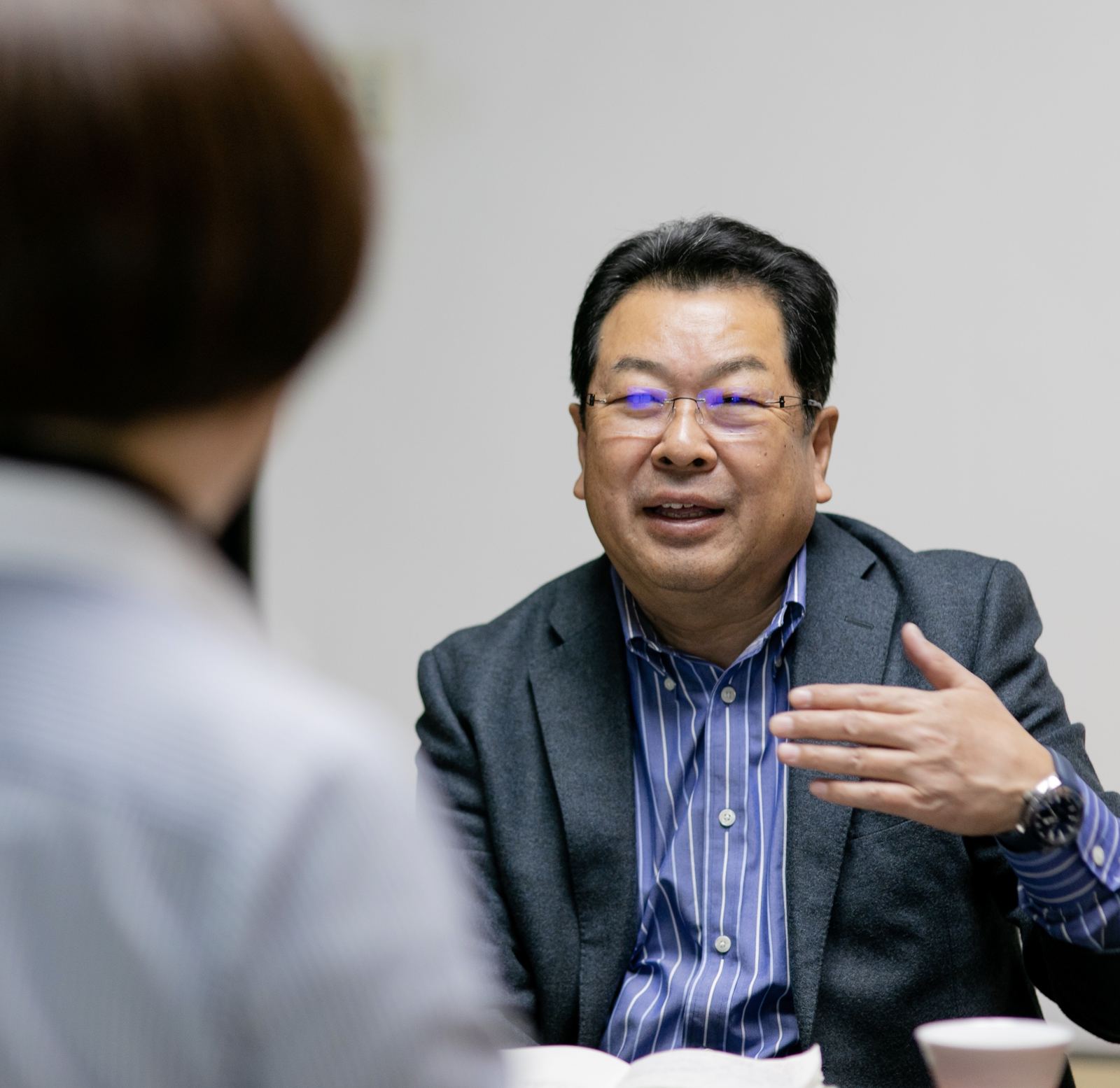
"Sake should be fun to brew, fun to sell, and fun to drink" 11th-generation President, Chihiro Takagi
Founded in 1720.
This year, 2020, marks a memorable 300th anniversary.
A kura (酒蔵) that, while steeped in tradition, actively takes on new challenges.
From sparkling sake popular with women to unfiltered, unpasteurized, undiluted sake popular with overseas visitors,
it expresses and shares the deliciousness of a rich variety of sake.
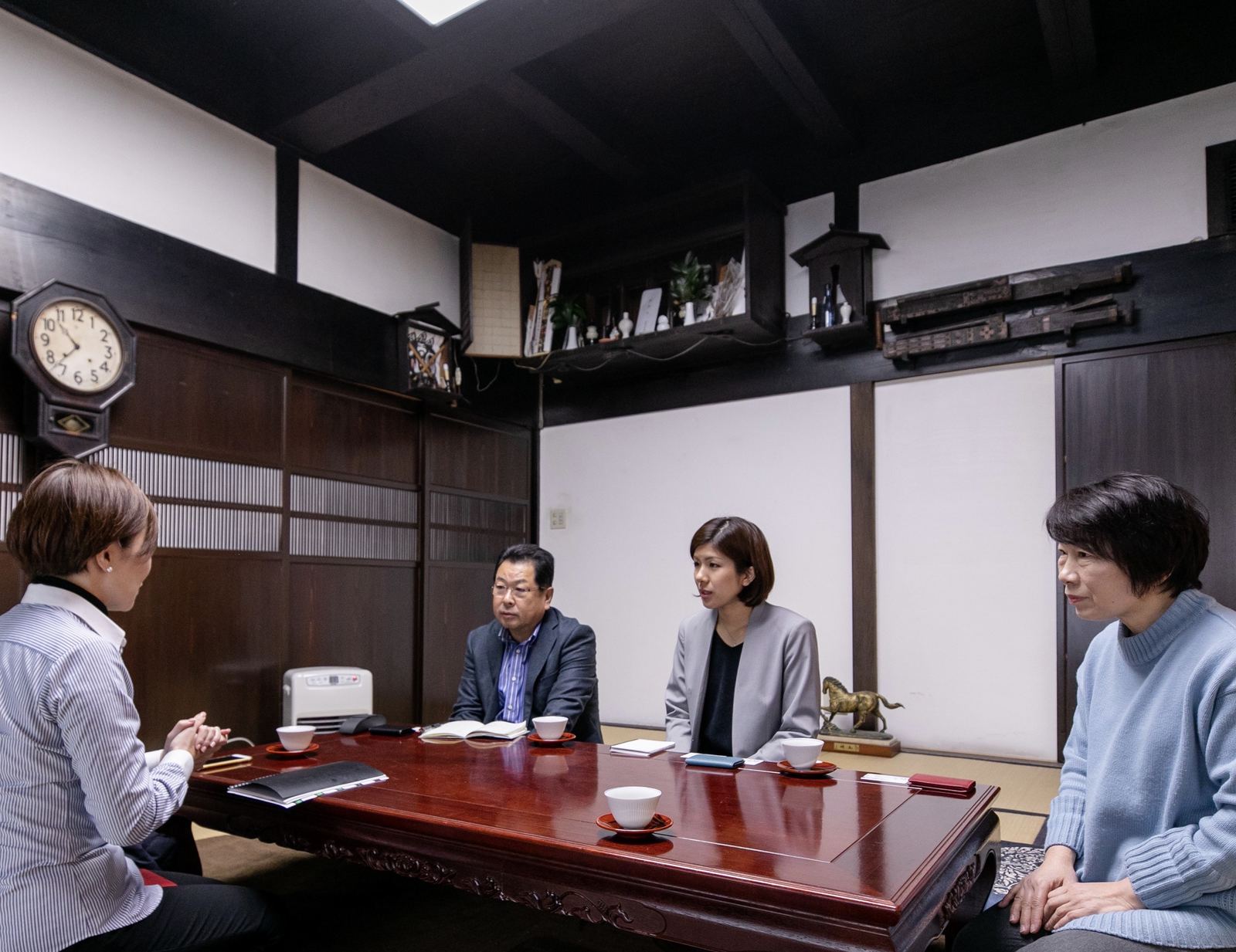
Interviewee: President Chihiro Takagi (hereafter, the President)
His wife, Mikako Takagi (hereafter, the Wife)
His daughter and successor, Risa Takagi (hereafter, Risa)
Interviewer: bien's Ayako Yoshida (hereafter, bien)
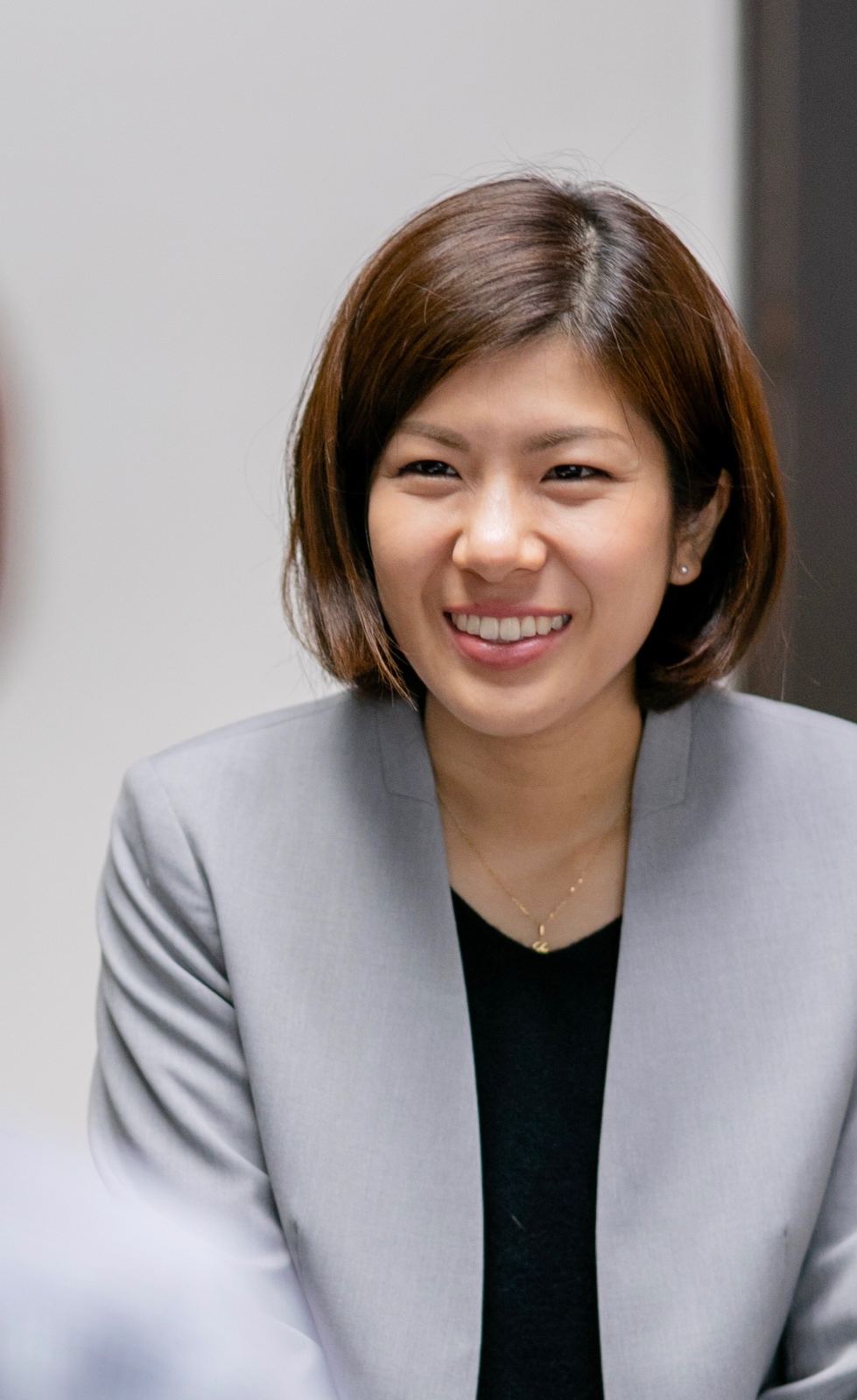
bien: I understand you're the youngest of three daughters. What made you decide to return to the kura?
Risa: I'd worked at a company in Aichi Prefecture for five years, but since a successor was needed, I came back to the kura the year before last.
bien: Having worked outside, how do you see the world of sake making now?
Risa: Since I was born into a sake brewery, I felt I wanted to share this precious Japanese culture with the world.
bien: How do you feel, as her father, now that your daughter has come back?
President: My eldest and second daughters both joined intending to take over,
but both ended up getting married and leaving. Now Risa is helping out.
She brews from 6 a.m. and does sales in the afternoon—she handles a lot of demanding work,
and I'm happy to see her working so hard.
bien: Sake making is hard physical work, isn't it? How is it for you?
Risa: Last year was my first, so I was just desperate to learn the flow of the work.
This year, thanks to getting a bit more used to it, brewing has become enjoyable and I've started to feel its appeal.
bien: What's enjoyable about sake making, and what's hard?
Risa: The enjoyable part is that, since you're working with a living thing,
it's fun to watch it grow and change.
The hard part is that you inevitably have to rely on heavy physical labor.
bien: What does Okuhida Shuzo hold most dear?
President: Of course we protect tradition,
but we also place great importance on taking on new challenges.
bien: Three years ago you changed the name from Takagi Shuzo to Okuhida Shuzo. Why?
President: There are three Takagi Shuzo breweries in Japan, and we kept getting mixed up with them!
People wanting to tour the brewery would end up going to a completely different place.
By making the brand name and the kuramoto (蔵元) name the same, I think we became easier for customers to recognize.
bien: Why Okuhida vodka?
President: Around 1958, during the vodka boom in America, my predecessor started making it.
He loved new ideas, so he went out of his way to obtain a production license and make it.
bien: So the love of new things goes back to your predecessor!
President: Yes. We used to be the smallest kura in Gifu Prefecture,
but in 1981 we began exporting to Singapore,
and after that we started exporting to Hong Kong, Thailand, and elsewhere.
bien: How has exporting been for you?
President: We now trade with about 25 countries, and the reactions really do vary.
In Taiwan, they say it isn't daiginjo (大吟醸) unless the rice is polished to 35%.
In Hong Kong, only high-end products sell.
In America, they won't stock it unless you hold tastings, which costs money. It's all quite varied.
bien: Building on your 300-year history, where do you want to go from here?
President: I'd like to put even more effort into exports.
And I want to aim for sake that younger generations will also drink.
bien: What characterizes Okuhida Shuzo's sake?
President: Our unfiltered, unpasteurized, undiluted sake is the most popular,
and we use aromatic yeast to make sake that's approachable and easy to drink, so people can ease into it.
Beyond that, we also brew yamahai (山廃) and many other varieties.
bien: What do you want to convey through sake?
President: I want to convey the goodness of the rice and the water. Not the technique or the design—
I believe sake is what can speak to the quality of the rice and water.
While emphasizing "Made in Japan," I want to convey how the flavor changes with the type of rice.
In China they compare sake to white wine,
but the difference between soft and hard water is a factor too, isn't it.
bien: What do you think sake is?
President: I think it's the heart of the Japanese people.
You might not notice it much when you drink it in Japan,
but when you drink it abroad, Japanese food and sake together put you at ease.
Risa: I think it's a communication tool that connects people.
When there's sake, everyone is smiling, and it creates a fun atmosphere.
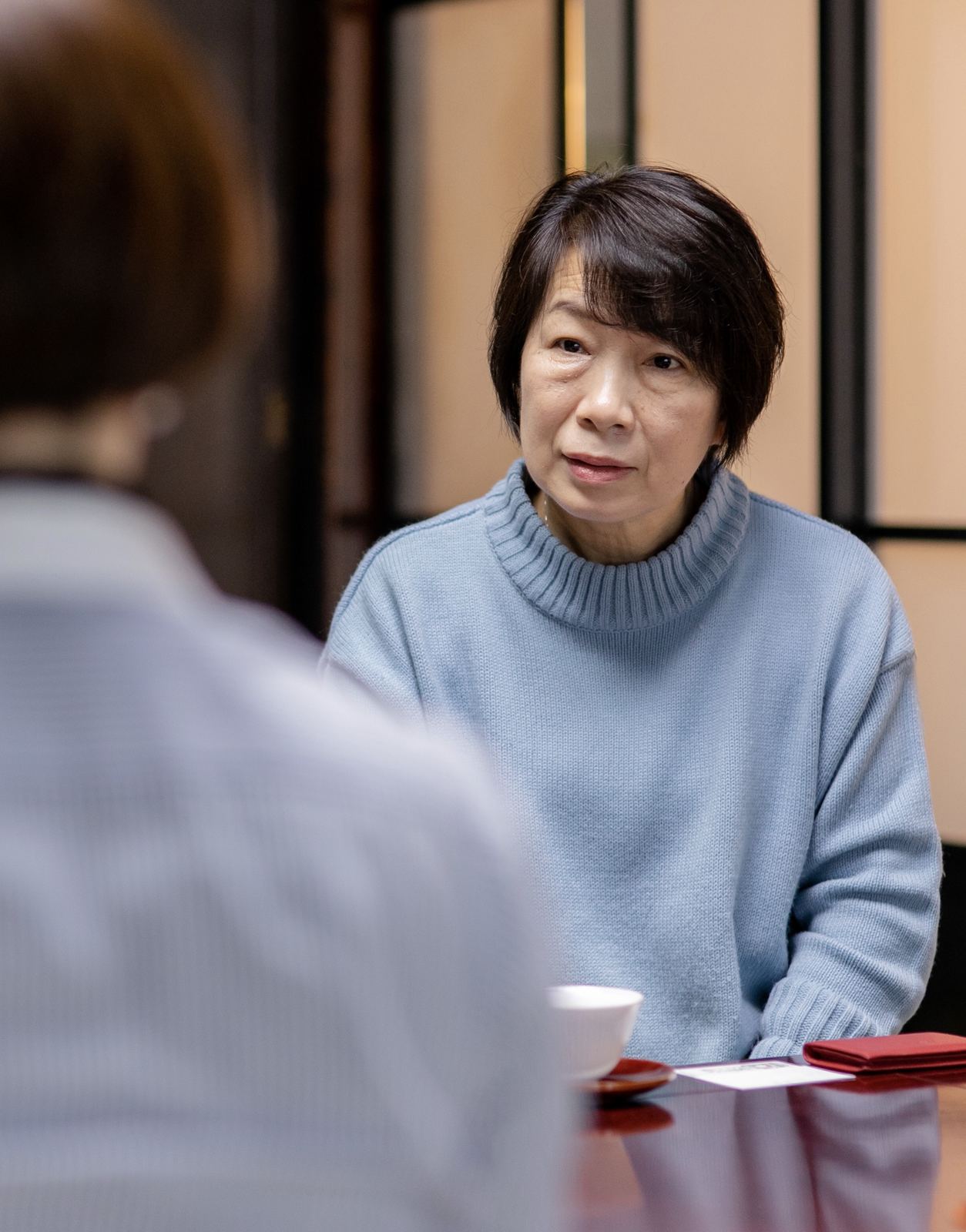
Wife: I think it's a culture Japan can be proud of—the way we treasure the tools in the kura.
The effort of brewing from early morning, working with a living thing. I think that process of sake making is truly something to be proud of.
President: Sake that enhances the food is best. You drink it without overthinking.
Rather than drinking for the sake of drinking, it's best when brewing, selling, and drinking are all enjoyable.