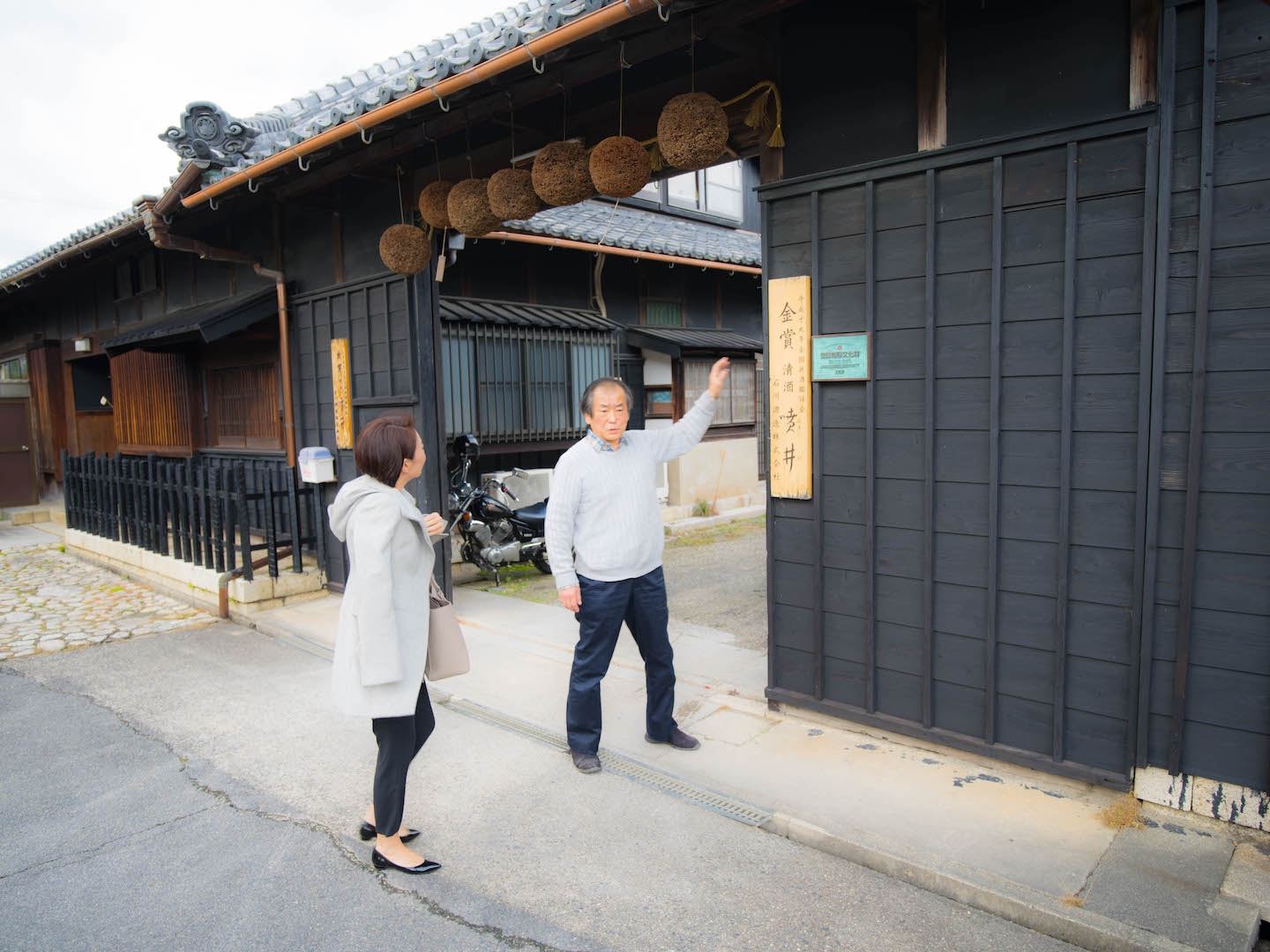
Ishikawa Shuzo
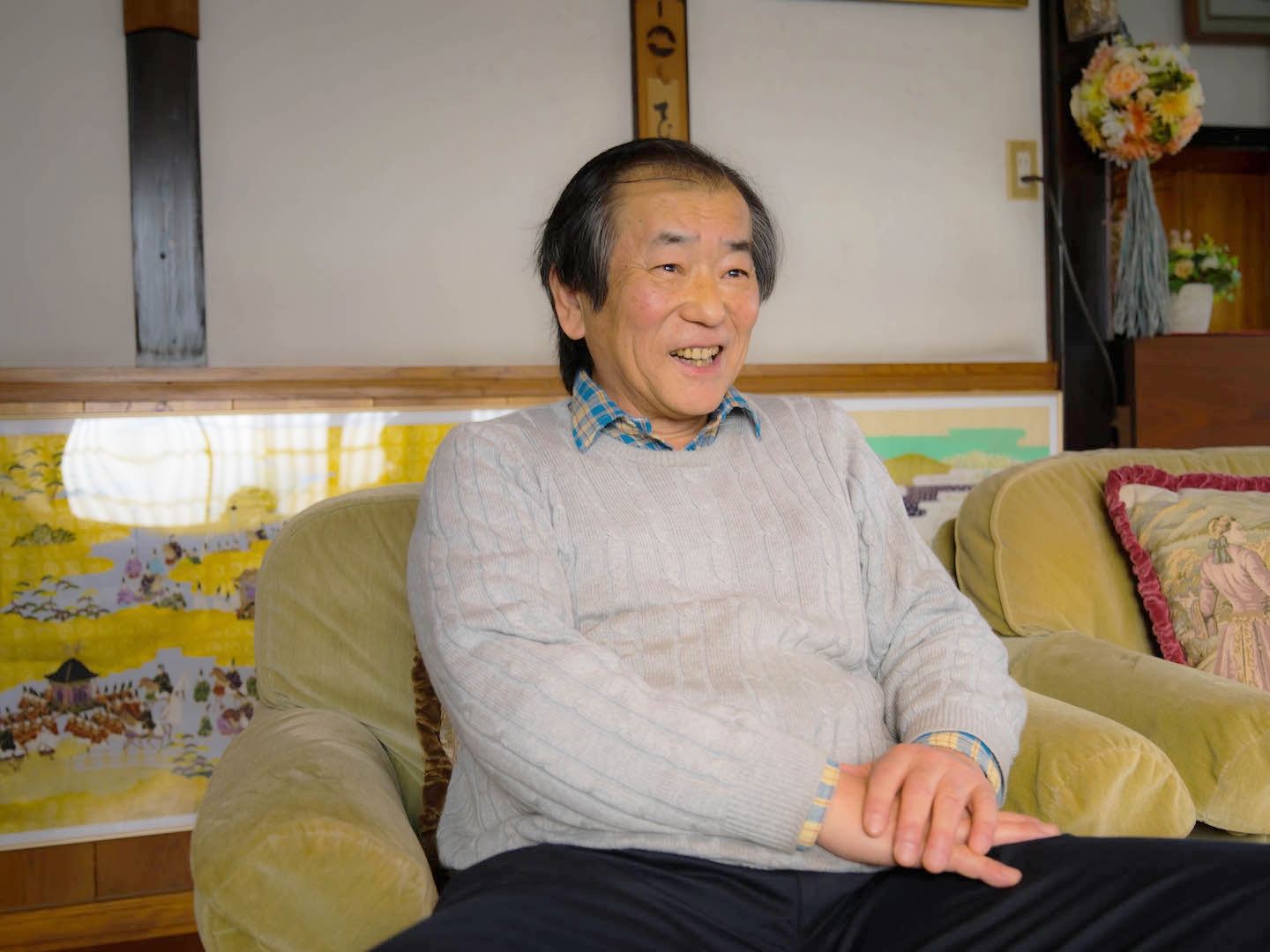
"The welling soft water is proof of six generations of succession" President and Toji (杜氏) Takafumi Ishikawa
Founded in 1825, this kura (酒蔵) sits at the foot of the Suzuka Mountains.
For its shikomimizu (仕込み水, brewing water)—the very life of the sake—it uses rich, smooth underground water. The harmony of bountiful rice, clear water, and seasoned skill produces a sake that lives up to its name, boasting a "refreshing finish like freshly welling spring water." A soft sake, brewed and fermented with natural water.
Visit the website here
Interviewee: President and Toji (杜氏) Takafumi Ishikawa (hereafter "Ishikawa")
Interviewer: Ayako Yoshida, bien (hereafter "bien")
bien: What feelings do you hold dear in sake making?
Ishikawa: It's rooted in Japan's ancient traditions,
something that has continued unbroken for hundreds of years,
so I want to cherish it and pass it on.
bien: You're approaching 200 years—that's an incredible history.
Ishikawa: We're only in our sixth generation,
and there are places that have continued for 200 or 300 years,
so among them we're nothing special.
Both what has continued since ancient times and what suits the present age—
we have to have people drink both,
so I feel we can't cling only to the traditional.
bien: How would you briefly sum up the character of Ishikawa Shuzo's sake?
Ishikawa: A gentle sake. A clean, elegant flavor.
You'd understand if you drank it—the water is gentle and soft.
So I think the character of the water comes through in the sake.
There's the expression onnazake (女酒, "feminine sake"), isn't there—ours is that type of sake.
(showing the water)
This water is proof that the sake of old still continues unbroken.
bien: It's a tradition preserved precisely because the water hasn't changed.
The power of water is amazing—a great power, you might say.
It influences the flavor this much.
It really is delicious, soft water.
bien: What kind of sake making are you aiming for going forward?
Ishikawa: For now we're rooted in the local area,
but going forward I want to aim for sake that can be enjoyed in many places—
that's what I'm hoping to work toward.
bien: They talk about the internationalization of sake—
Ishikawa: We've only just started,
but we've begun shipping to Singapore,
and are gradually expanding overseas.
Lately there really are all sorts of inquiries.
bien: These days Japanese people are drifting away from sake, in a sense,
while people overseas are the ones coming to us, aren't they?
Ishikawa: That's right. People overseas drink it with a blank slate, with no preconceptions.
I'd like them to drink it from that starting point.
bien: To people around the world, regardless of brand, right?
What do you think we should do to get them to drink it?
Ishikawa: That's a hard question.
PR is important, but recently I changed the koji (麹).
Starting last year and the year before.
The effect is gradually showing,
and I'm making sake with flavor, not just the old clean finish.
It was easy to drink, but to put it nicely it was light,
or to put it bluntly, a bit thin,
so from last year and the year before I've been adding more flavor,
and the effect has come through.
I changed the koji to bring out depth.
bien: I see!
It's gradually becoming a flavor that people will like—
one suited to the present age.
Ishikawa: I think it has.
This year's Nagoya appraisal—actually, until now we never entered the appraisal.
Our sake, even when released in autumn, didn't have enough flavor, so it wasn't rated highly.
But this year I entered it, because I'd added flavor.
And sure enough, we got recognition—
both the junmai (純米) and honjozo (本醸造) received excellence awards.
bien: Congratulations!
What part of the daily work in the kura do you find hardest?
Ishikawa: They're all hard.
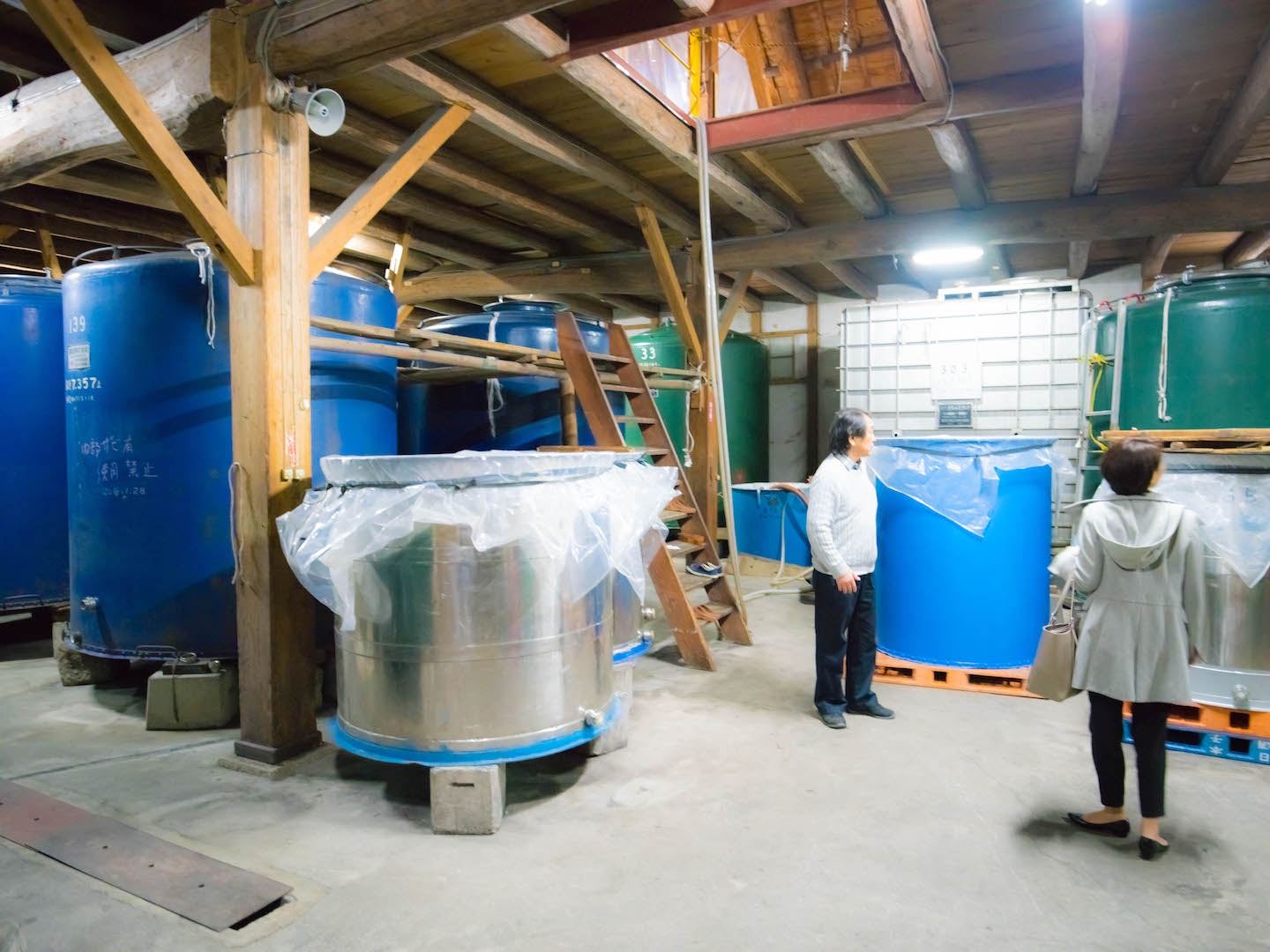
The most important thing, in the end, is washing the rice.
What I've come to understand recently is
that everything is decided by the steaming of the rice.
This year I re-examined it from scratch.
Starting with how the koshiki (甑, steamer) is set.
There's a gasket there,
so I re-examined even the condition of that gasket.
bien: You re-examined it down to such fine details!
Ishikawa: In the end, whether you can steam it well there changes the steam that comes out.
And that changes the steaming time too.
Normally when you steam, it sits on top of the kettle, right?
But if the steam leaks, it fills up inside.
The best is when the steam escapes smoothly.
That's working well this year.
I'm looking forward to seeing what kind of sake this produces.
bien: You also said washing the rice is hard?
Ishikawa: How to wash the rice well,
and how to drain the water well—I've put a fair amount of thought into that.
How to get the water to drain well so it doesn't get soggy.
I don't know whether it will actually have an effect.
bien: The results of what you've tried—
they come together as results months later, don't they?
Conversely, what's your favorite, most enjoyable part of sake making?
Ishikawa: I look forward to seeing what the sake is like when it's pressed!
bien: It's exciting to see how the parts you've improved change the flavor.
Ishikawa: How it changes, and so on.
Last year I worried about what to do if it turned out badly,
but when I consulted people in the technical field, they said not to change too much.
There are people who like our flavor,
and I'd hate to lose them,
so I try not to change things too drastically.
bien: Finally, what do you want to tell the general public?
Ishikawa: Just drink it! (laughs)