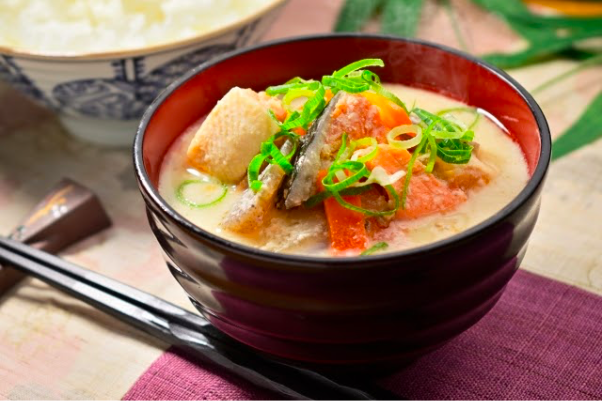
Sake kasu (lees) is in season now
Hello.
This is Akari, a drinker (who longs to be a lady).
Press the “moromi” — a mixture of sakamai (酒米), koji (麹), and water — and the liquid extracted is sake, while the solid left over is sake kasu (lees). Unless reused, sake kasu becomes industrial waste, but throwing it away would be such a shame!
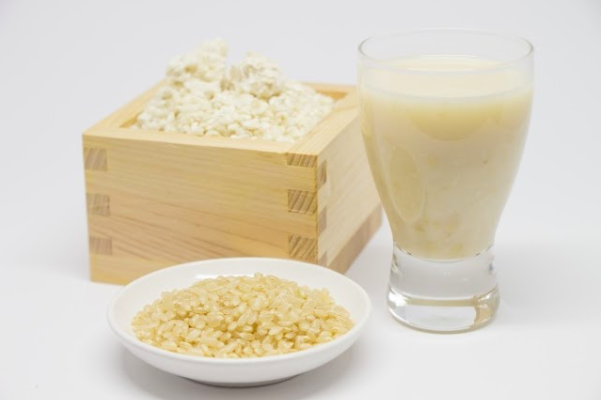
Sake kasu is said to contain nutrients derived from rice plus as many as 600 kinds of nutrients produced through fermentation. It contains dietary fiber, protein, vitamin B1, vitamin B2, vitamin B6, niacin, pantothenic acid, folic acid, sodium, potassium, calcium, magnesium, phosphorus, iron, zinc, copper, and more.
Any ingredients that catch your interest??
◎ Great for your skin
Rich in B vitamins, it boosts skin metabolism and promotes cell turnover.
And it prevents the proliferation of melanin pigment while its moisturizing effect guards against dry skin!
There are even skincare products made from sake kasu on the market, after all.
◎ Gentle on the gut
Sake kasu contains a component called “resistant protein,” which acts like dietary fiber made from protein.
This resistant protein is not broken down in the stomach; it reaches the intestines and powerfully adsorbs excess fat, carrying it out of the body. (Amazing!) Since it flushes excess fat from the body, it holds great promise for lowering cholesterol and for dieting.
And oligosaccharides encourage the growth of good bacteria to balance the gut environment.
Nothing but good news.
You can enjoy it in amazake (sweet sake), kasujiru (lees soup), or “kasuzuke-yaki,” where fish or meat is pickled in a kasu bed and left overnight before grilling.
Sake kasu broadly falls into two types.
One is “itakasu,” the board-shaped kasu pressed straight from sake; it goes on sale in winter when brewing is at its peak. Kasu that didn't form a neat board is called “barakasu,” and it's a little softer than itakasu.
The other is “nerikasu,” sake kasu that has been packed into tanks and kneaded until soft. This one is sold in summer and is even softer than barakasu, making it suited to pickling vegetables. Nerikasu matures by summer and gains richness, so vegetables pickle deliciously.
Itakasu and barakasu are in season roughly from December to March.
I buy them around this time and keep them refrigerated or frozen.
The kasu of a good sake is, as you'd expect, delicious too.
Shinshu (新酒, new sake) and sake kasu…
In this season, I find myself visiting the liquor shop more often than usual (laughs).
Well then, until next time!
Peacefully to one or two ichigo (一合, 180 ml) today!